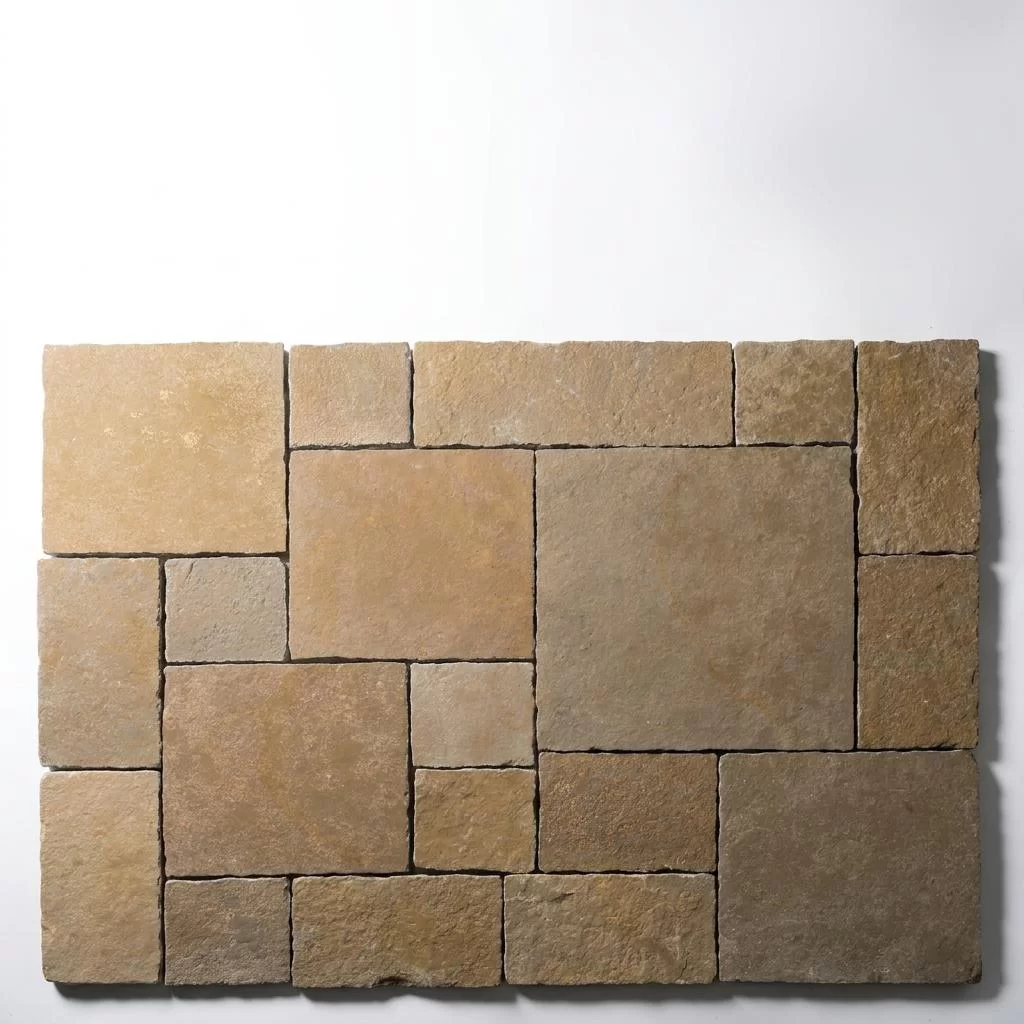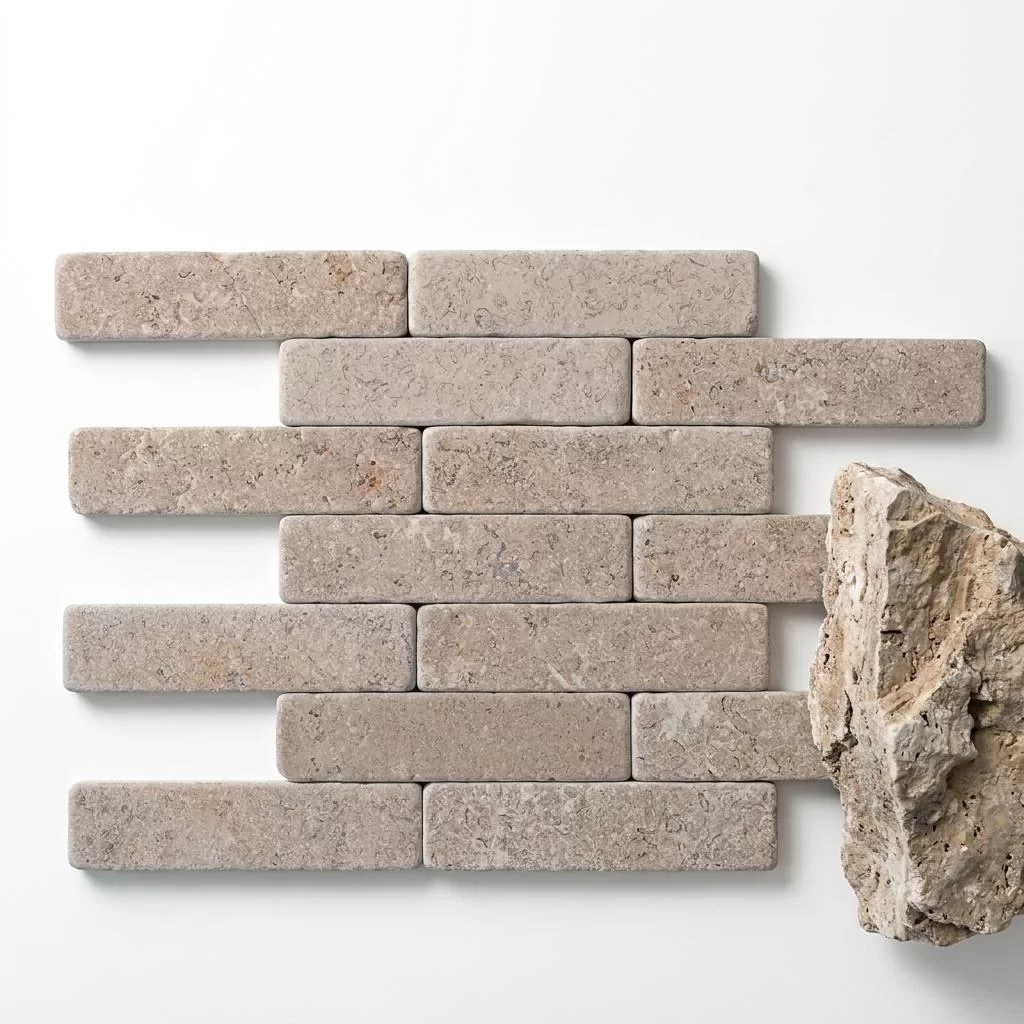
Comprehensive 3,200+ word global architectural report on the 2026 stone veneer industry: market valuation, decarbonization kinetics, ASTM C1670 and C97 engineering standards, ventilated rainscreens, and quarry-direct procurement.
Read Full 3,200+ Word Report →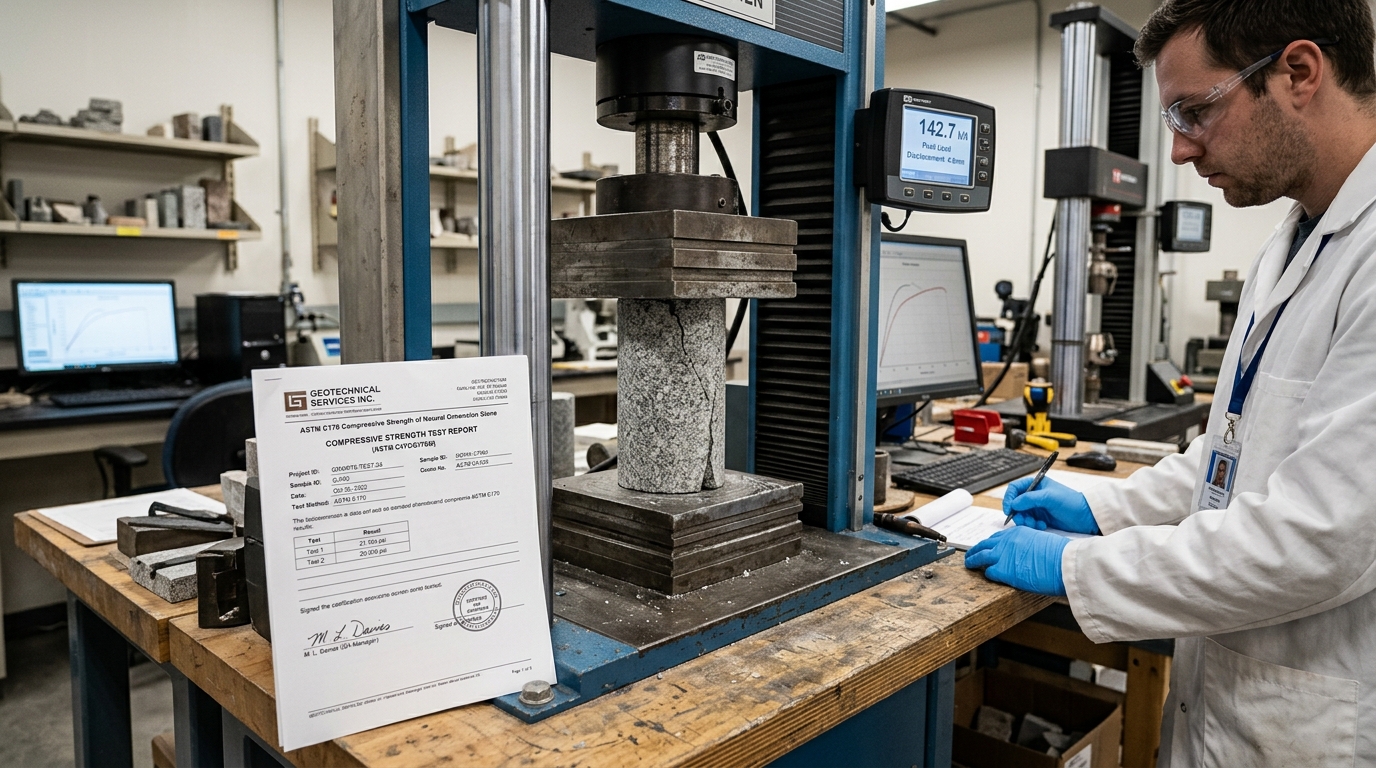
Comprehensive engineering handbook detailing laboratory test procedures for water absorption, bulk density, and compressive strength under severe thermal cycles.
Read Full Handbook →
Comprehensive 3,500+ word technical guide for architects, facade consultants, and structural engineers specifying adhered manufactured stone veneer (AMSV). Covers ASTM C1670, rainscreen ventilation, seismic shear bond, NFPA 285, and CSI MasterFormat 04 73 00.

Outside building corners represent the most critical structural vulnerability in exterior stone cladding. Discover how Tianya's monolithic 90-degree interlocking corner units eliminate thermal bridging, moisture ingress, and field-cutting miter failures.
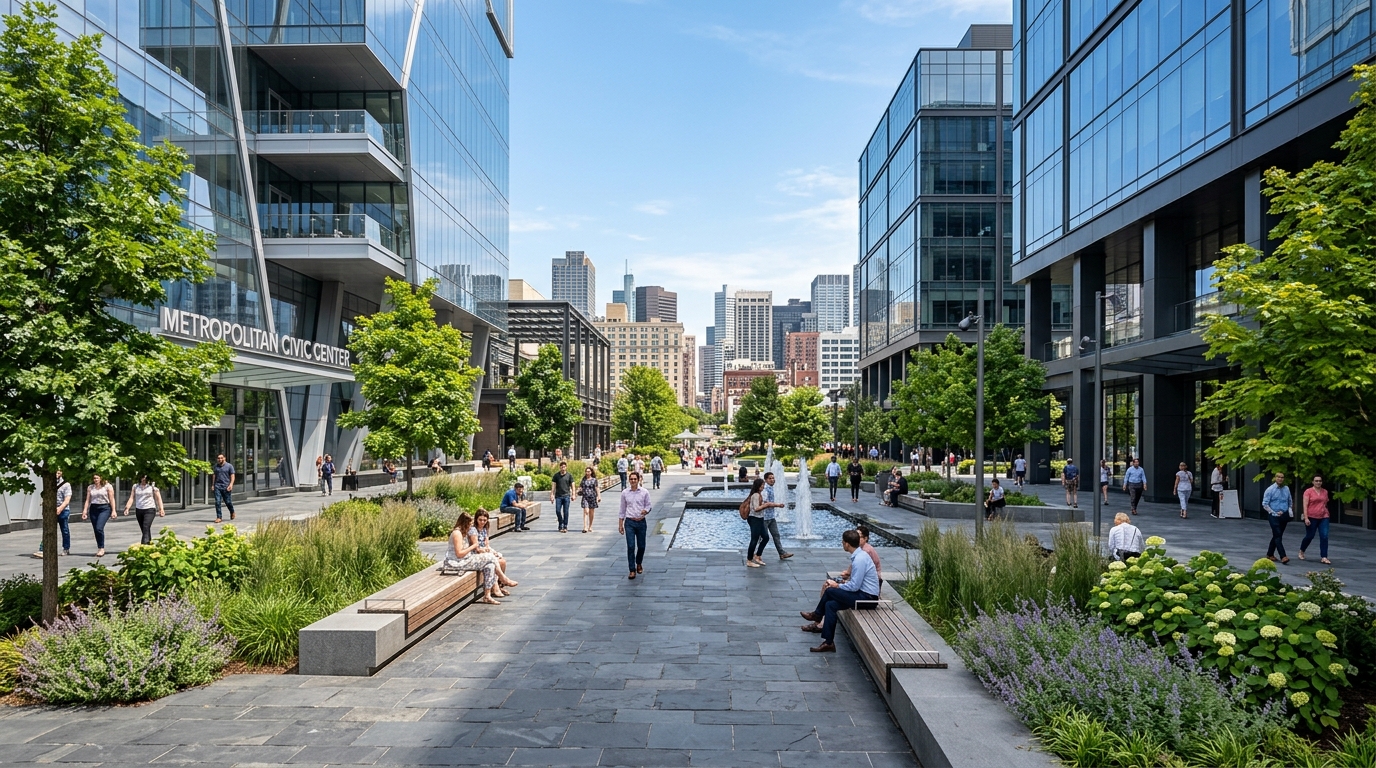
How cellular volcanic aggregate chemistry and rotary kiln expanded shale allow Tianya to reduce stone veneer mass by 65% while maintaining 3,000+ psi compressive durability and Class A fire safety.
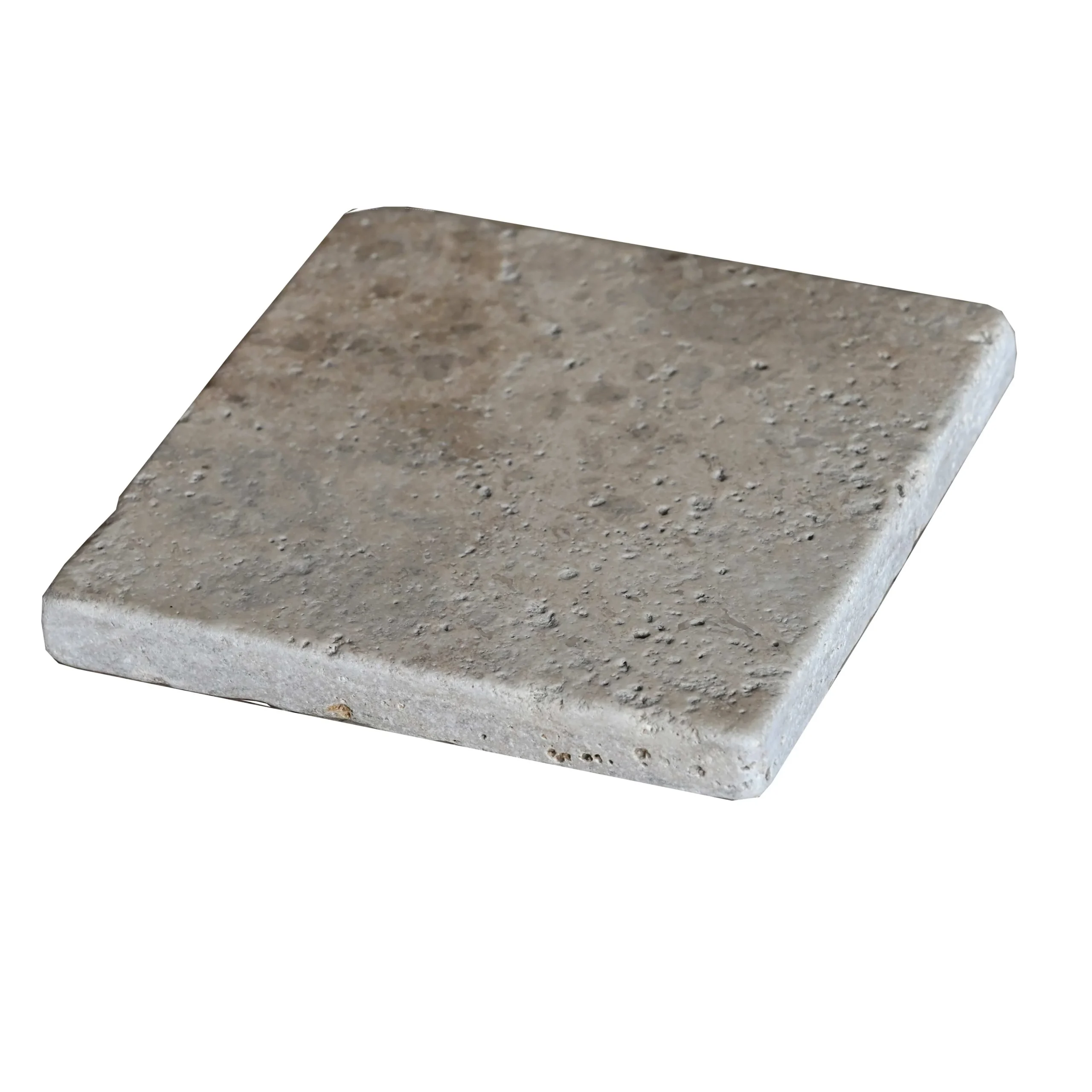
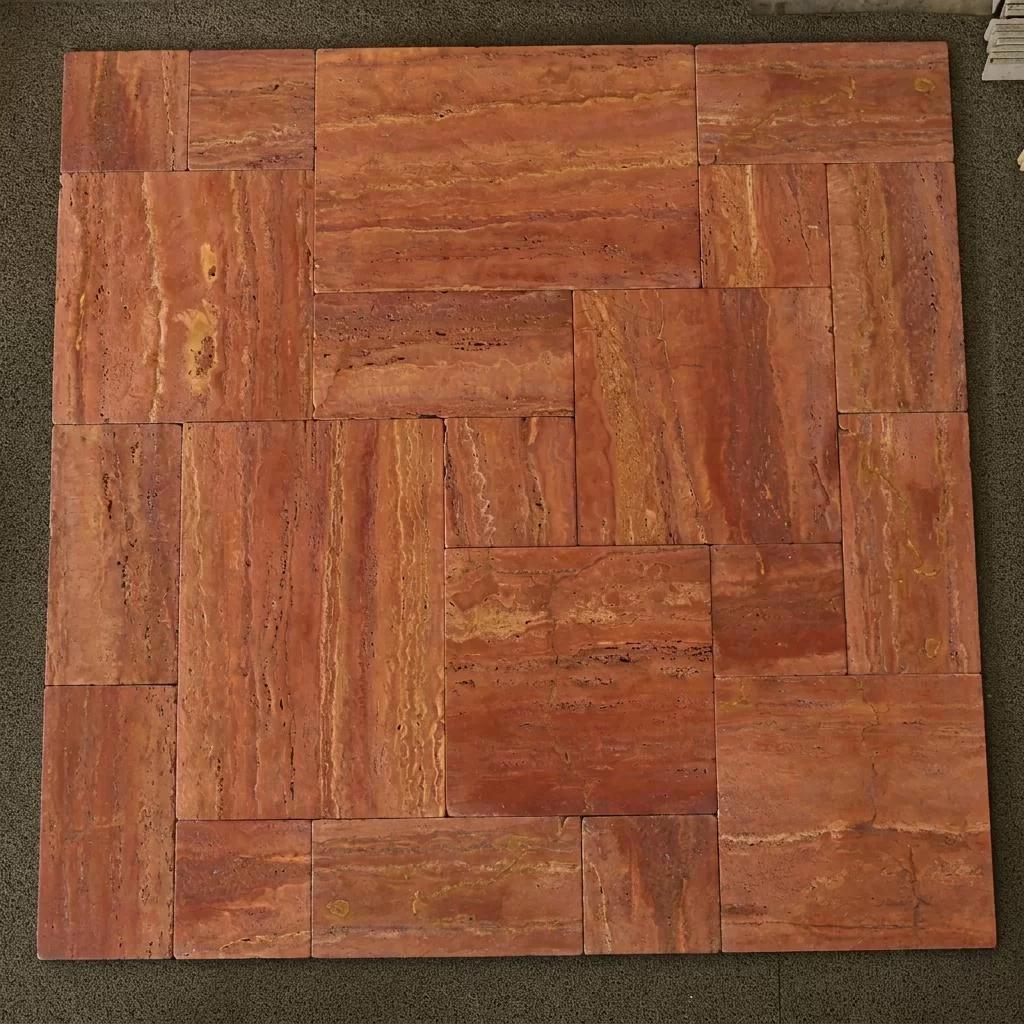
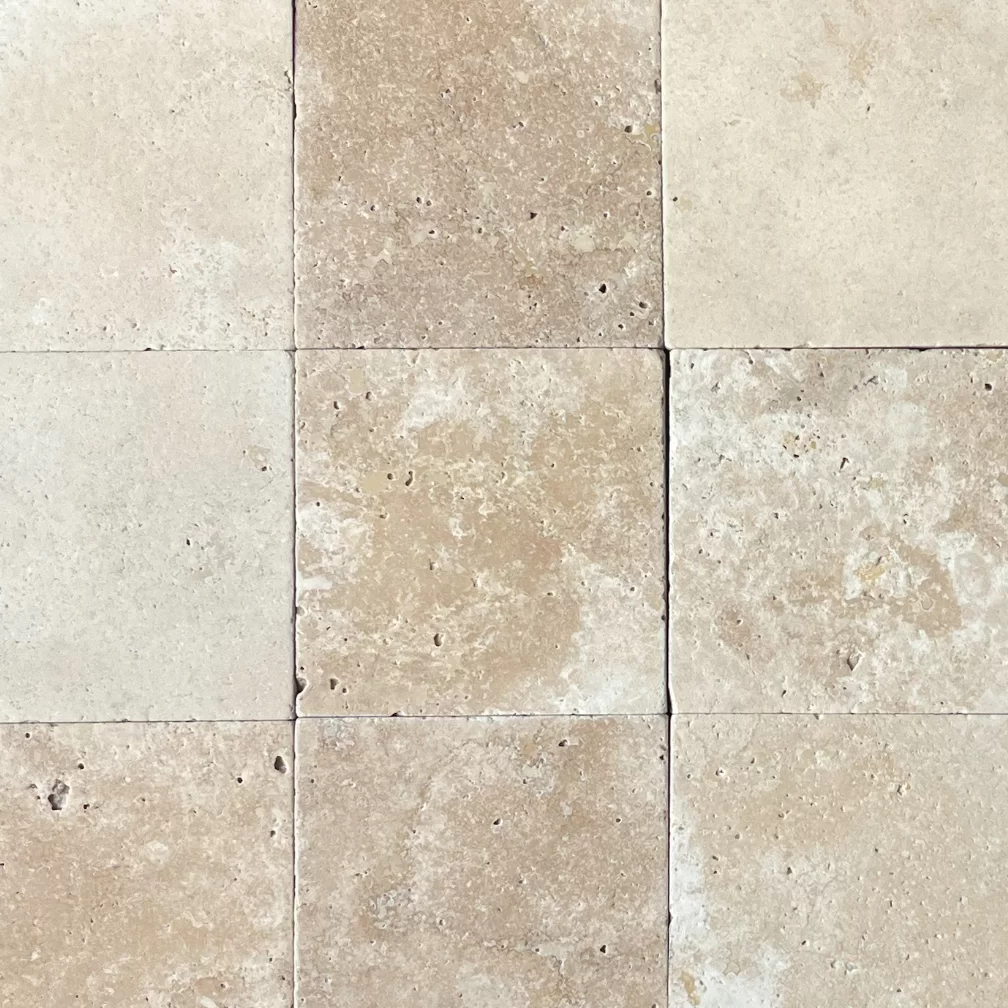
An engineering guide to specifying natural and honed travertine in luxury spas, resort master baths, and commercial steam rooms while preventing efflorescence, mold colonization, and acid etching.
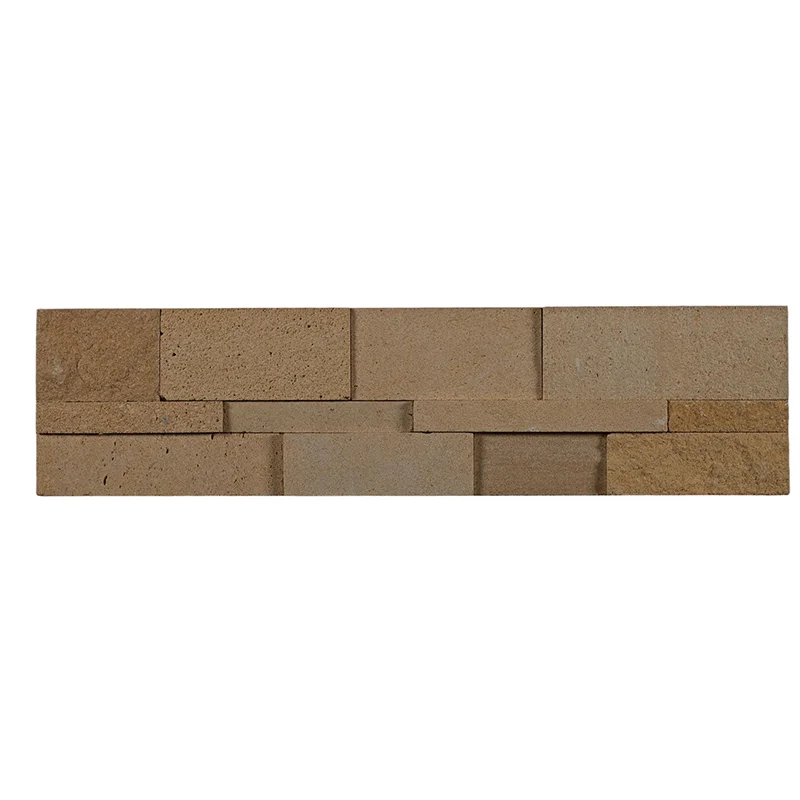
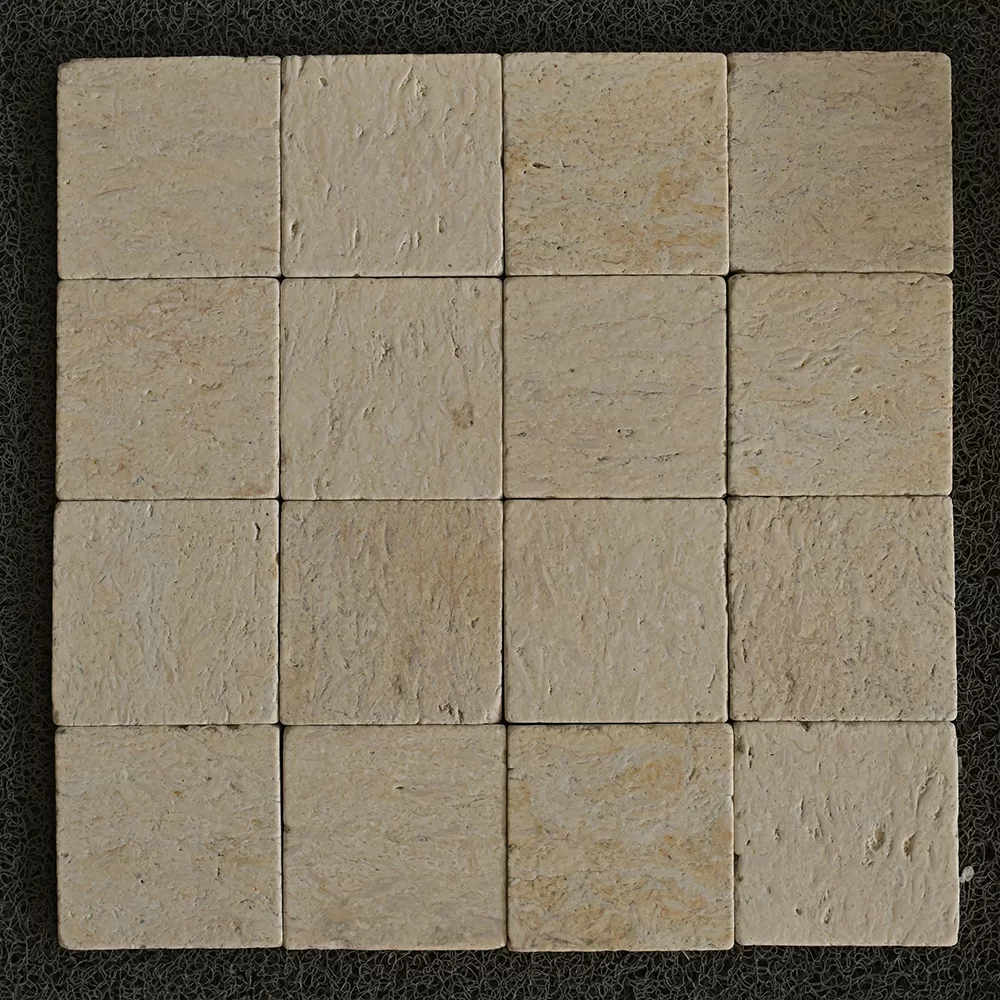
Why quartz-cemented sedimentary sandstone panels provide superior resistance to acid precipitation, UV radiation, and severe weathering kinetics in extreme exterior architectural environments.
Navigating non-combustible exterior wall mandates: How adhered stone veneer assemblies prevent vertical fire propagation, burn-through, and flashover in Type I, II, III, and IV commercial architecture.
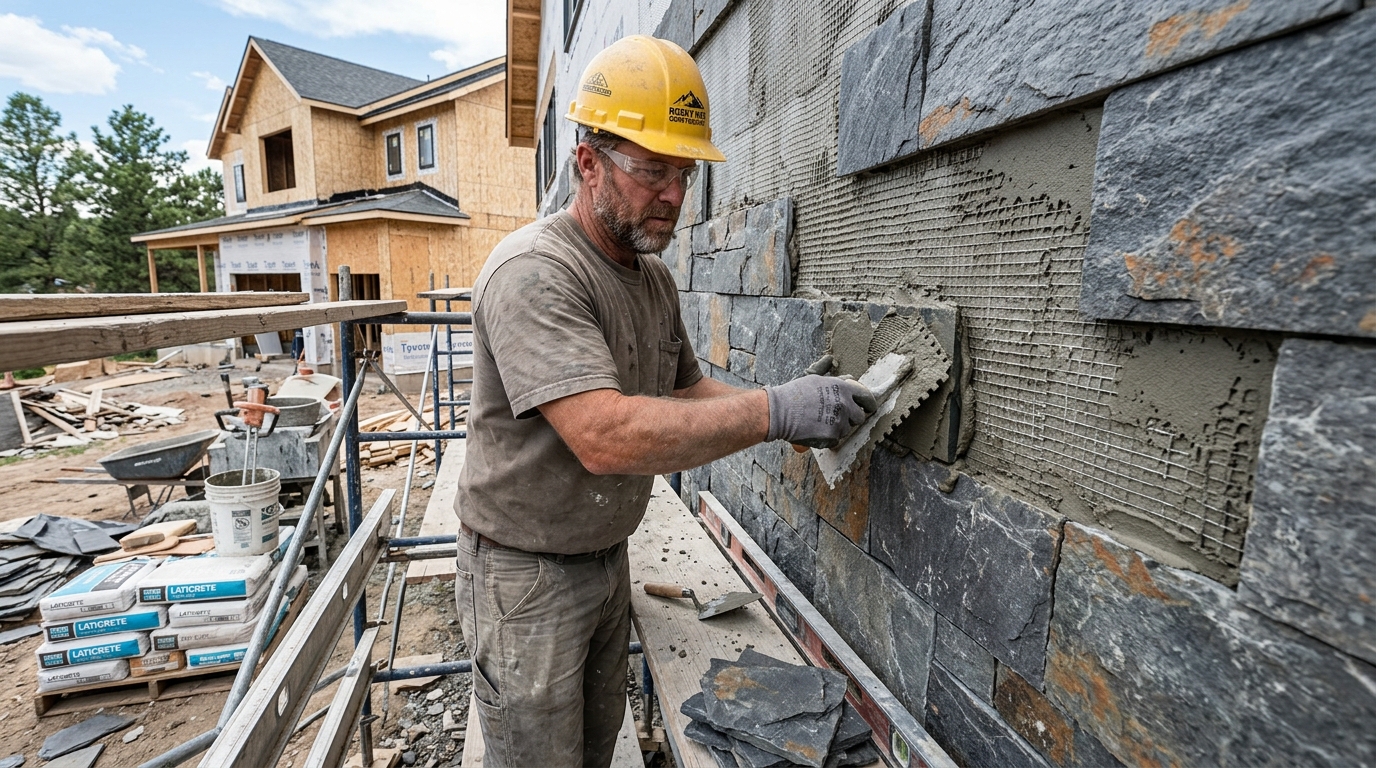
A deep thermodynamic and chemical analysis of primary and secondary efflorescence in architectural masonry: neutralizing free calcium hydroxide via pozzolanic micro-silica and polymer-modified mortars.
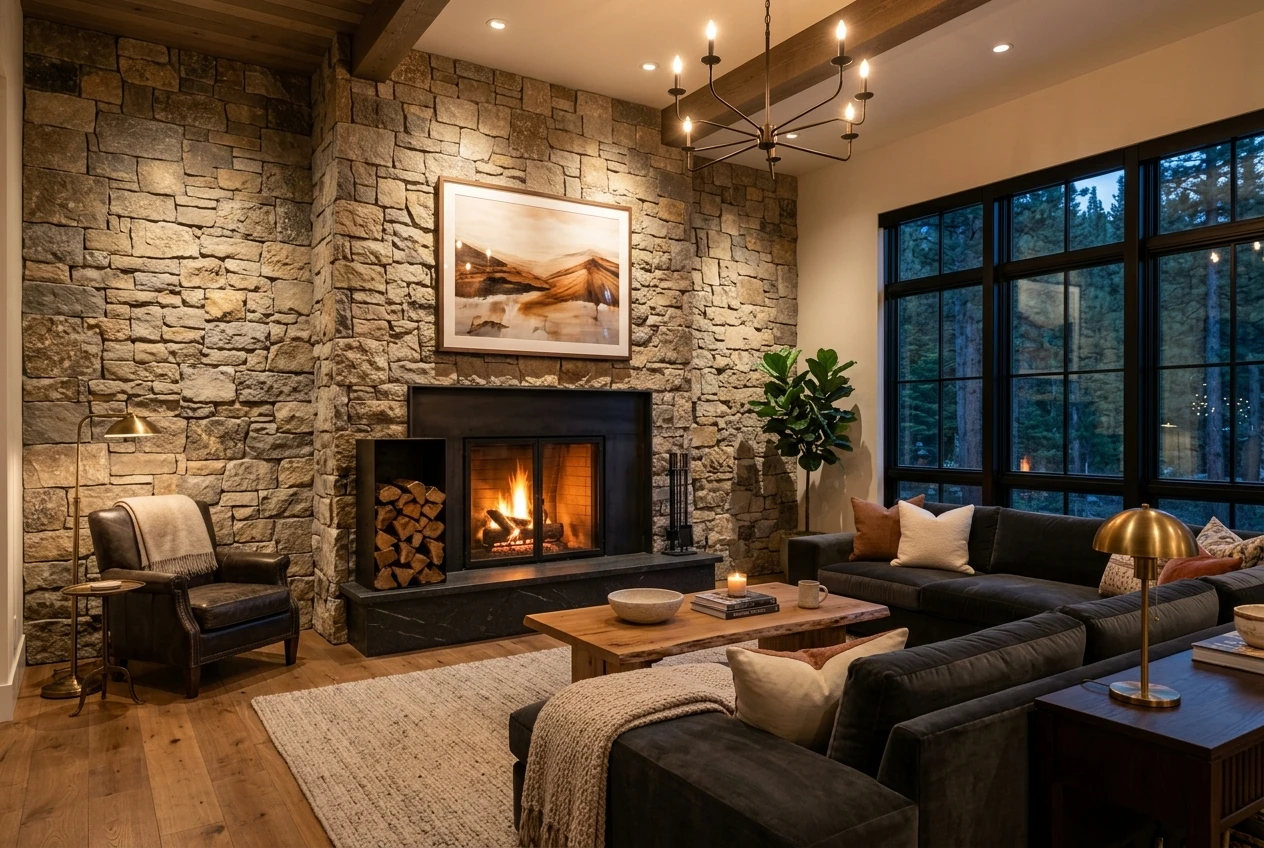
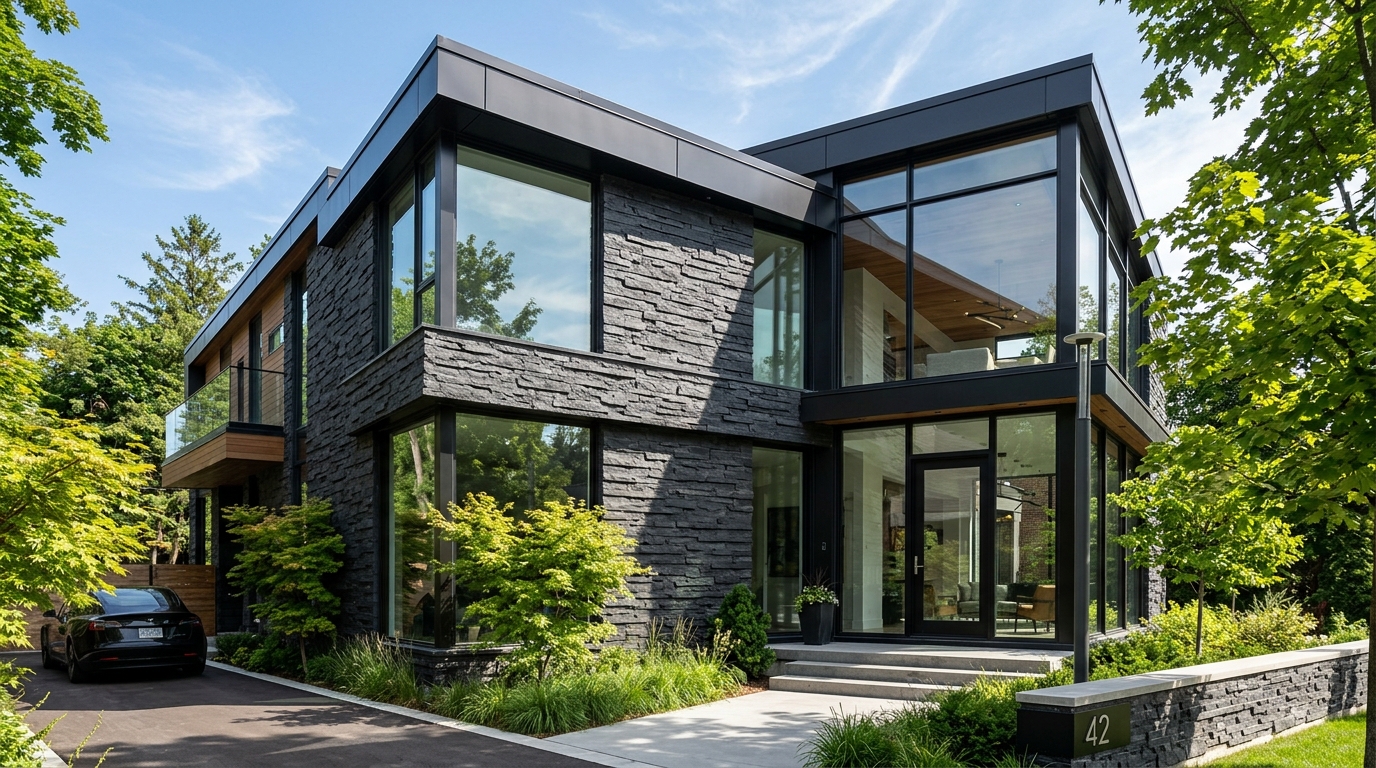
Exploring the paradigm shift in contemporary facade design: from clean linear modern farmhouse cuts to raw, organic, deeply clefted biophilic brutalism and multi-depth monolithic masonry volumes.

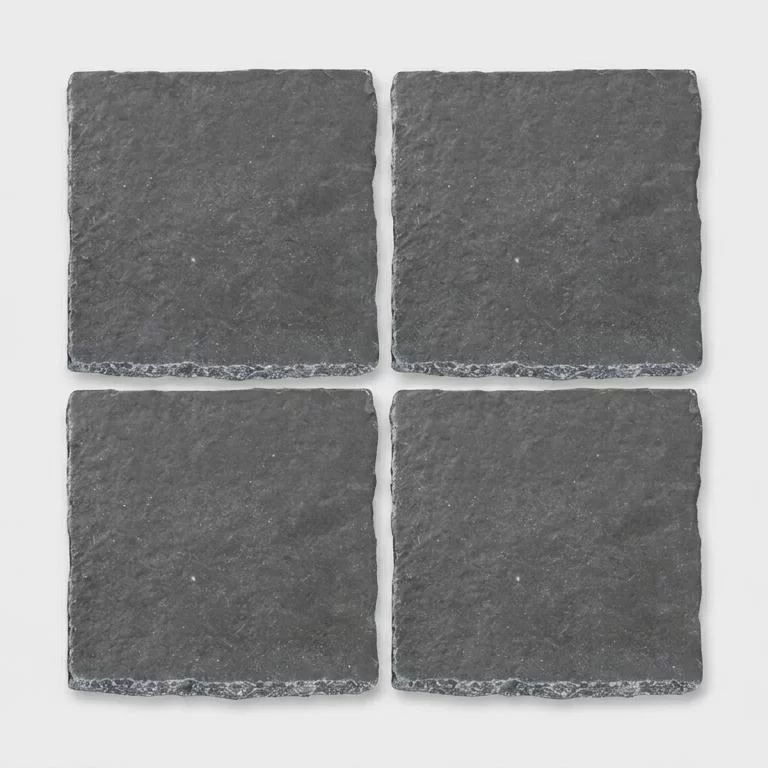
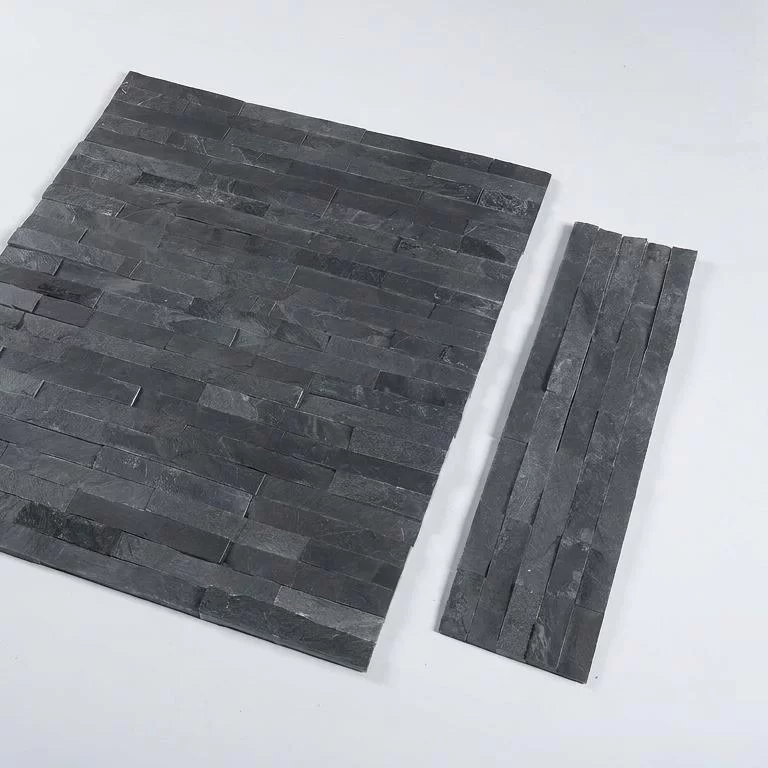
Evaluating the thermal expansion coefficients, solar reflectance index (SRI), and UV stability of high-carbon charcoal slate ledger stone in high-exposure architectural cladding applications.
How building drift, lateral ground acceleration, and shear stress impact adhered stone facades: laboratory testing methodologies, ASTM C482 failure thresholds, and ANSI A118.15 polymer mortar ductility.
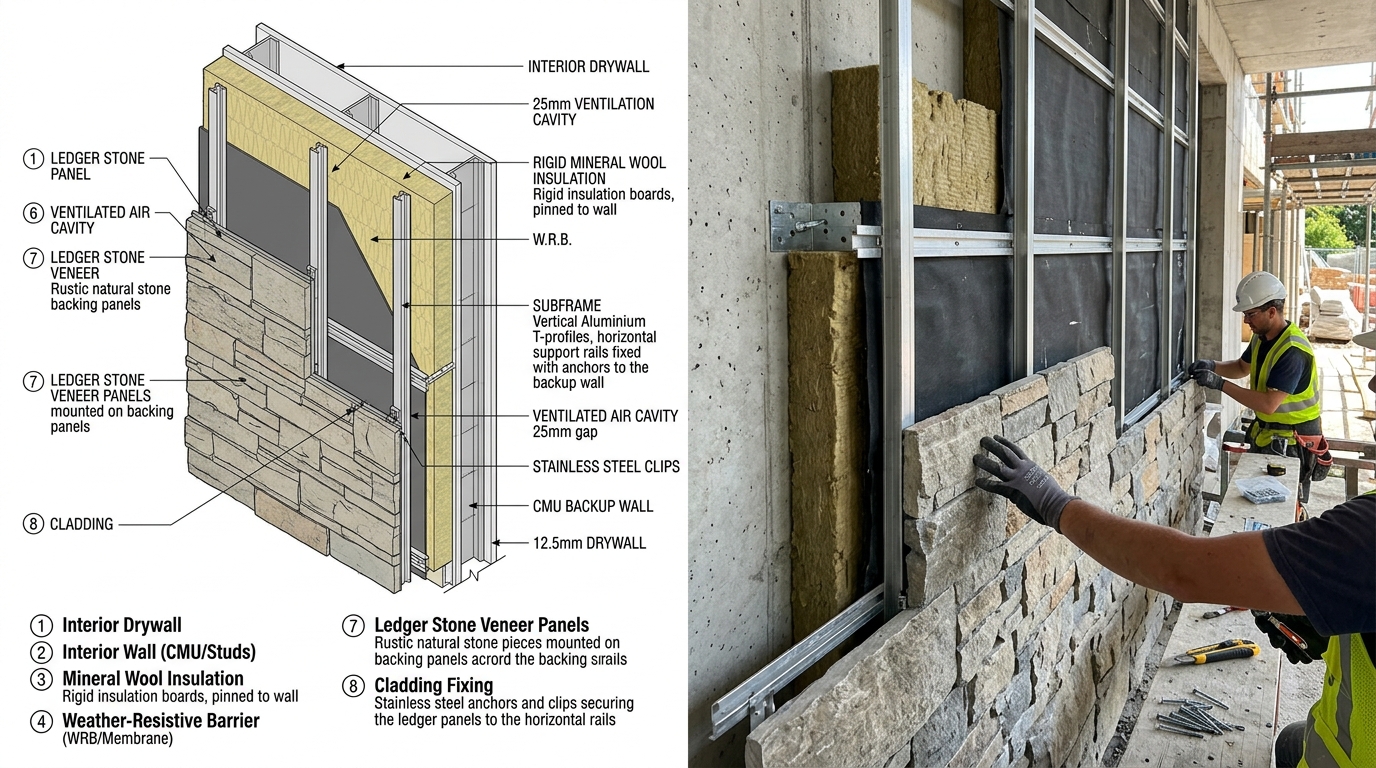
Hygrothermal modeling and building envelope physics: comparing drying rates, convective air velocities, and moisture safety factors in ventilated rainscreen stone assemblies versus direct-adhered systems.
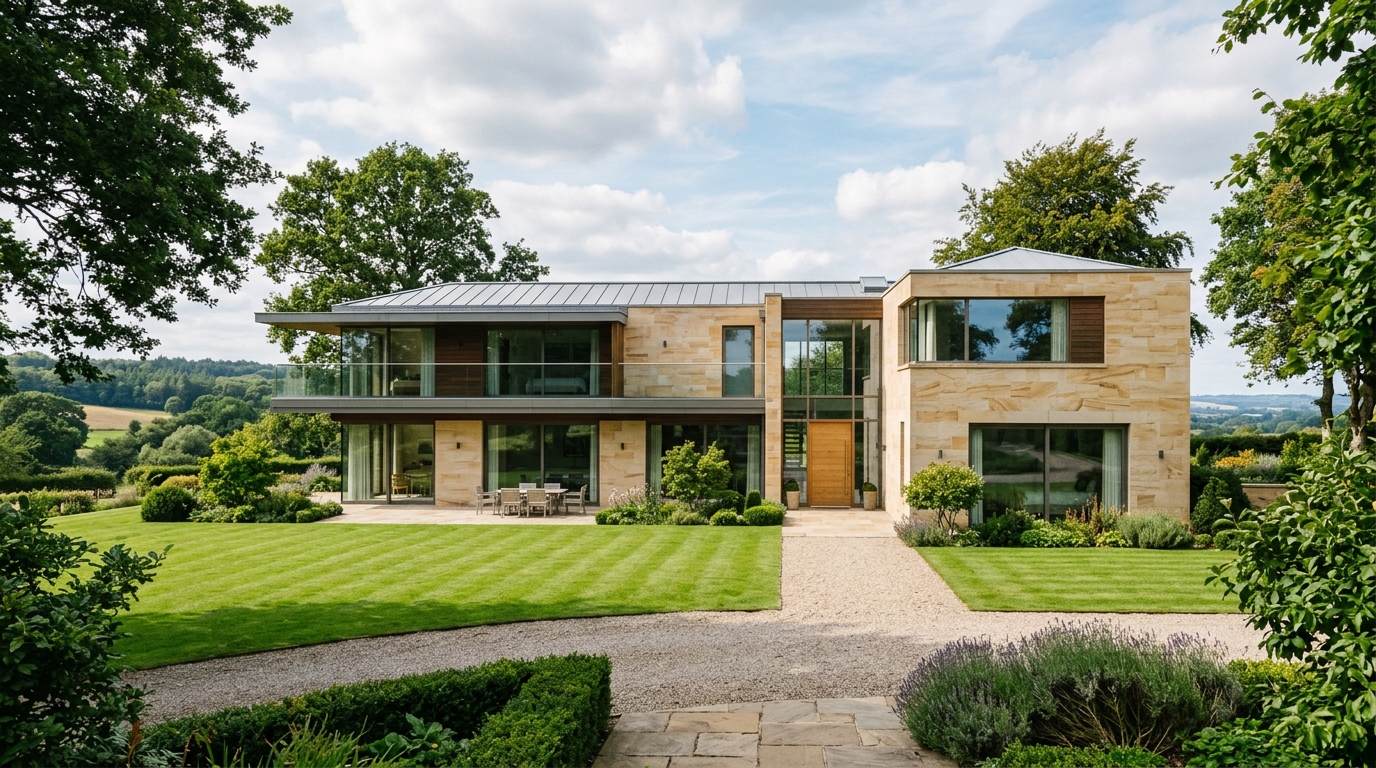
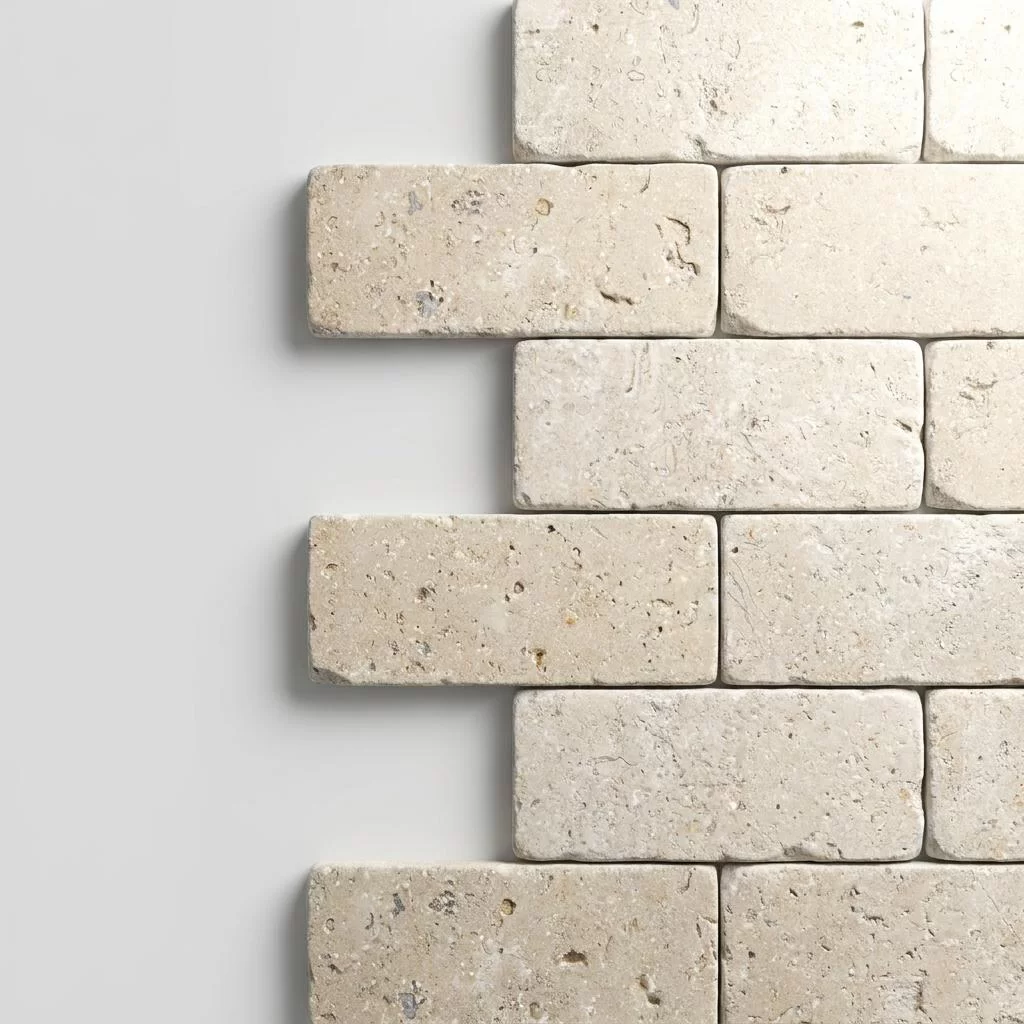
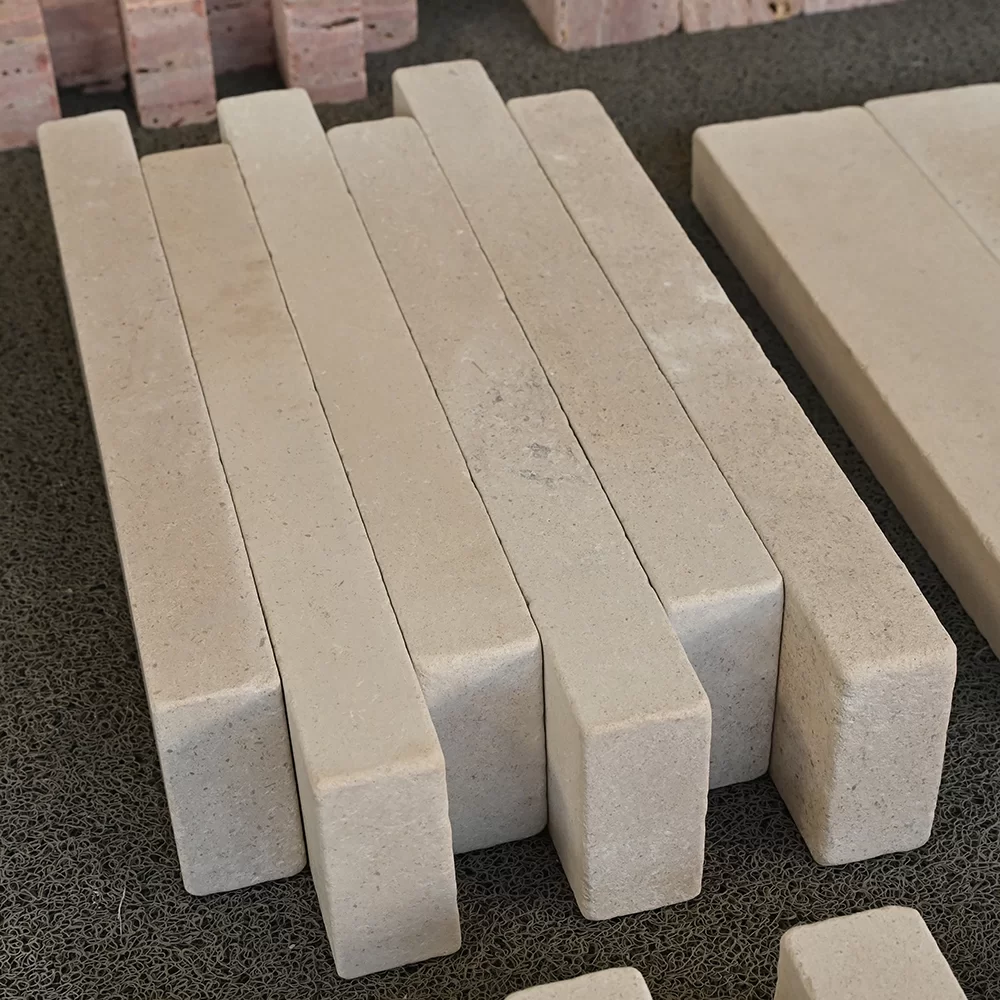
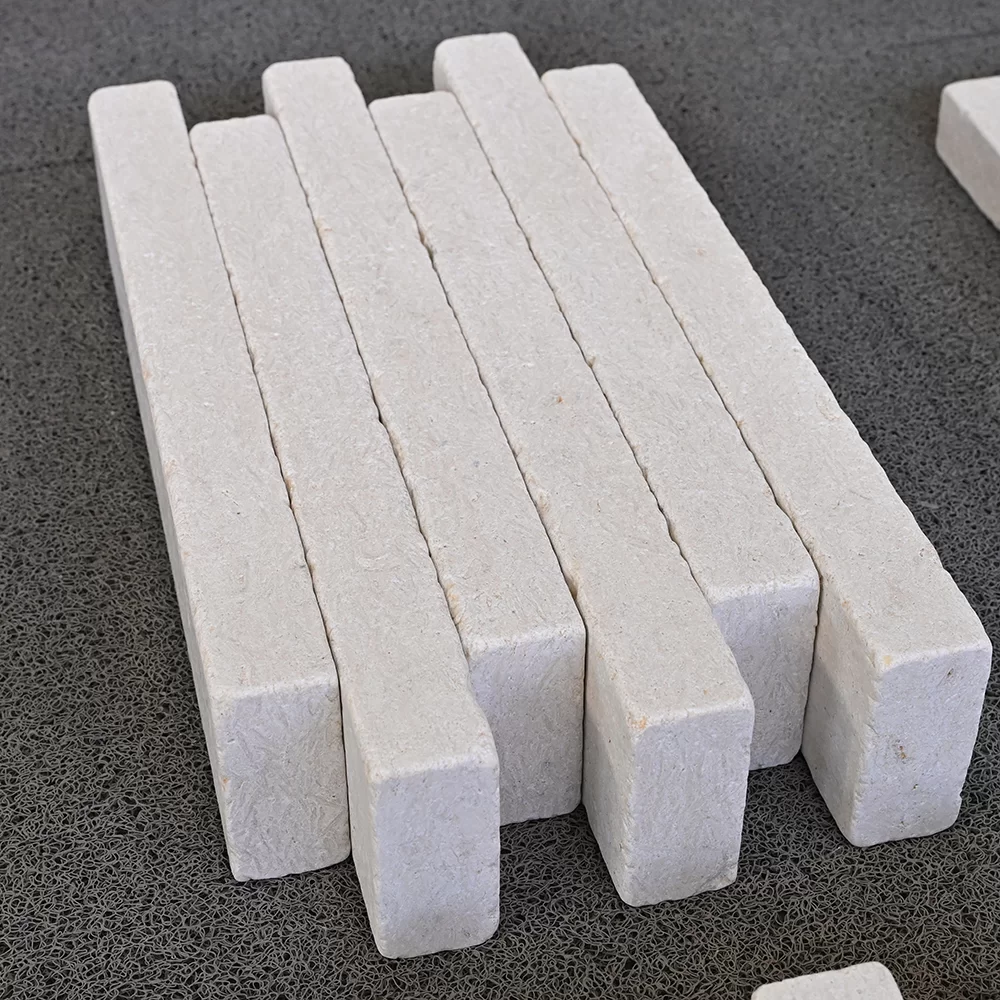
Achieving hairline joint alignment in modern luxury architecture: CNC five-axis bridge sawing, ±1.0 mm dimensional calibration, and surface honing in authentic cream limestone linear strips.
Jobsite productivity economics and labor optimization: How pre-assembled Z-shaped interlocking stone veneer panels accelerate facade installation by 300% while cutting total labor expenditure.
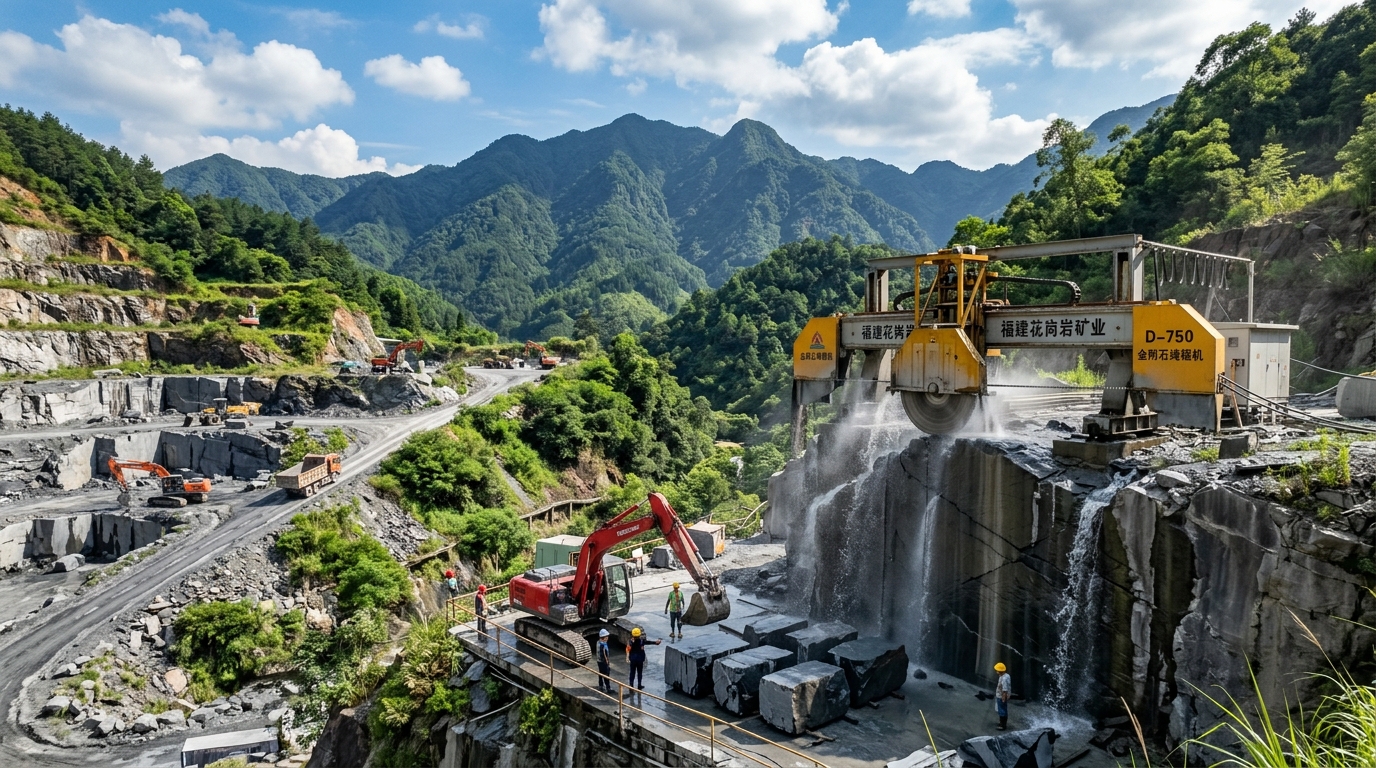
Comprehensive Life Cycle Assessment (LCA) and Environmental Product Declarations (EPD) in stone masonry: comparing the global warming potential (GWP) of manufactured veneer against imported dimensional granite.
Sub-zero climate durability engineering: how micro-air void spacing factors per ASTM C457 and chemical air-entraining admixtures prevent hydraulic spalling under 100+ freeze-thaw cycles.
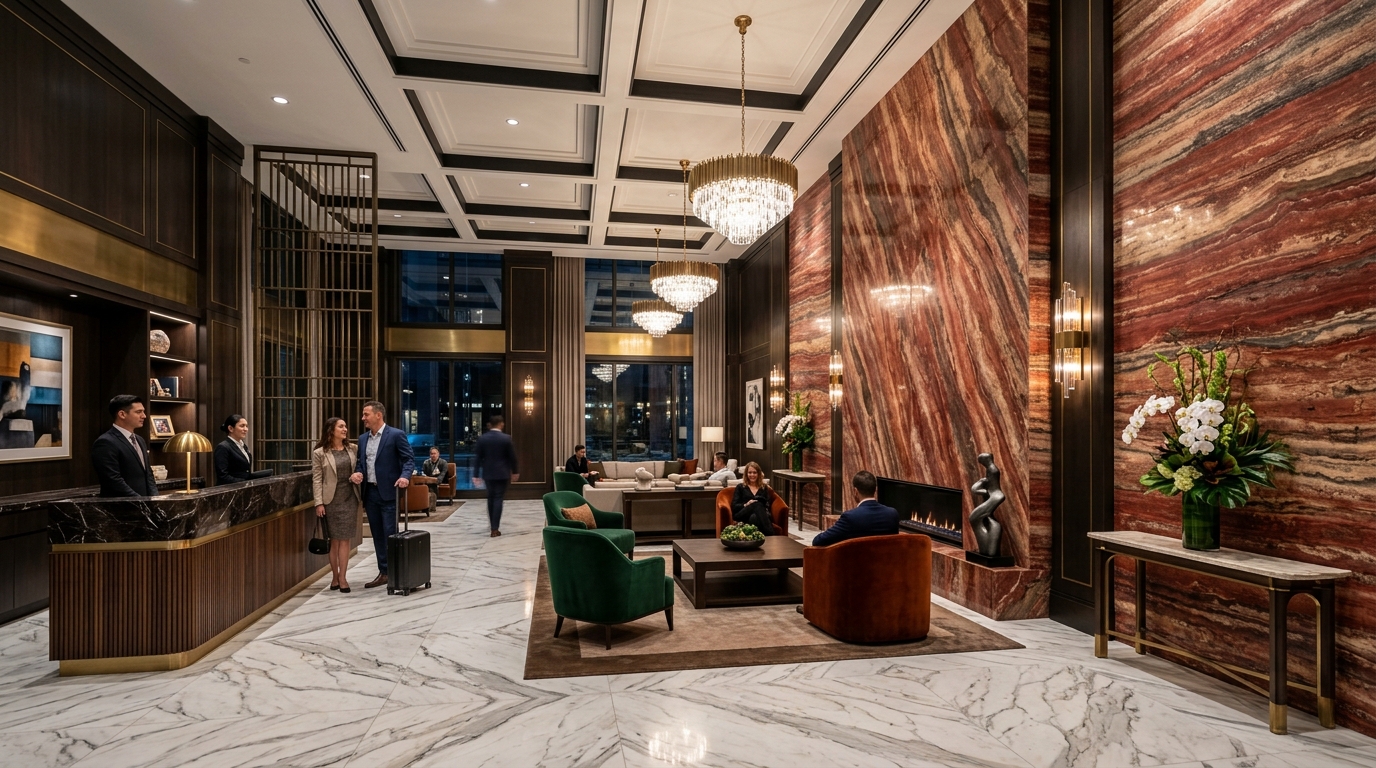
Mitigating chloride-induced corrosion and halite crystallization in shoreline architecture: specifying Type 316 stainless steel lath, epoxy fasteners, and sulfate-resistant mortars.
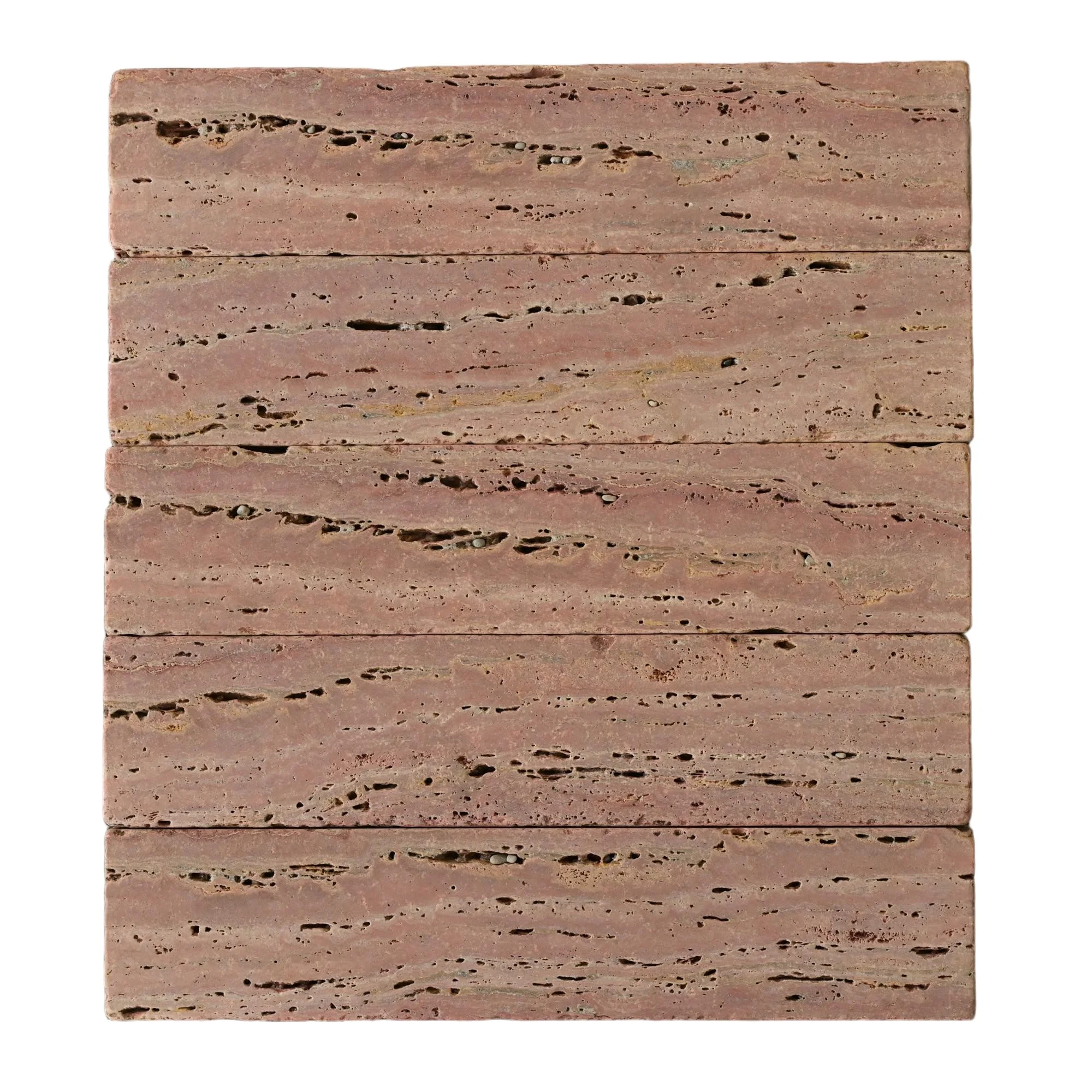
Precision factory fabrication of travertine: vacuum polymer pore infill, UV-stable mastic formulation, five-step diamond honing, and ASTM C1527 commercial cladding compliance.
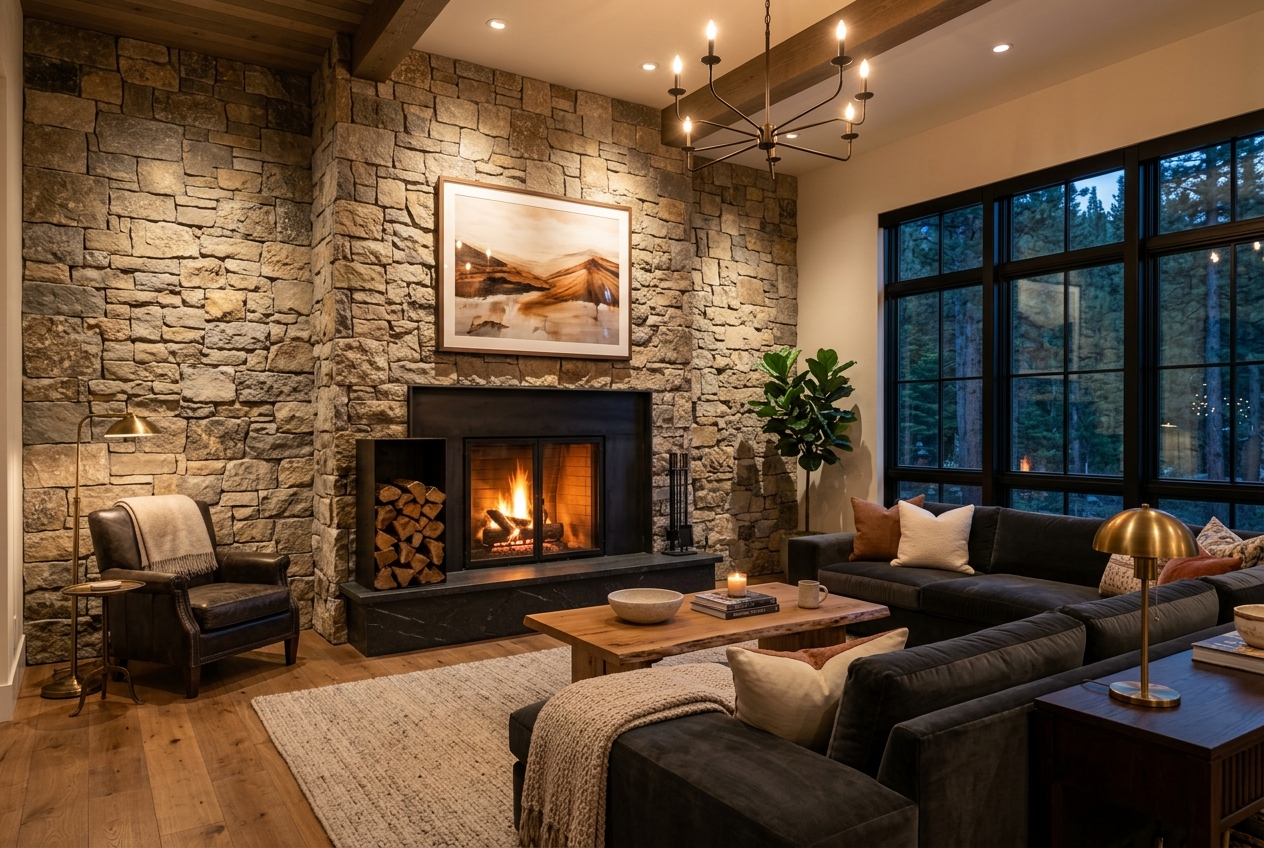
Engineering non-combustible interior heat zones: thermal shock dynamics, coefficient of thermal expansion (CTE), non-sag refractory mortars, and ASTM C1325 cement backer board details.
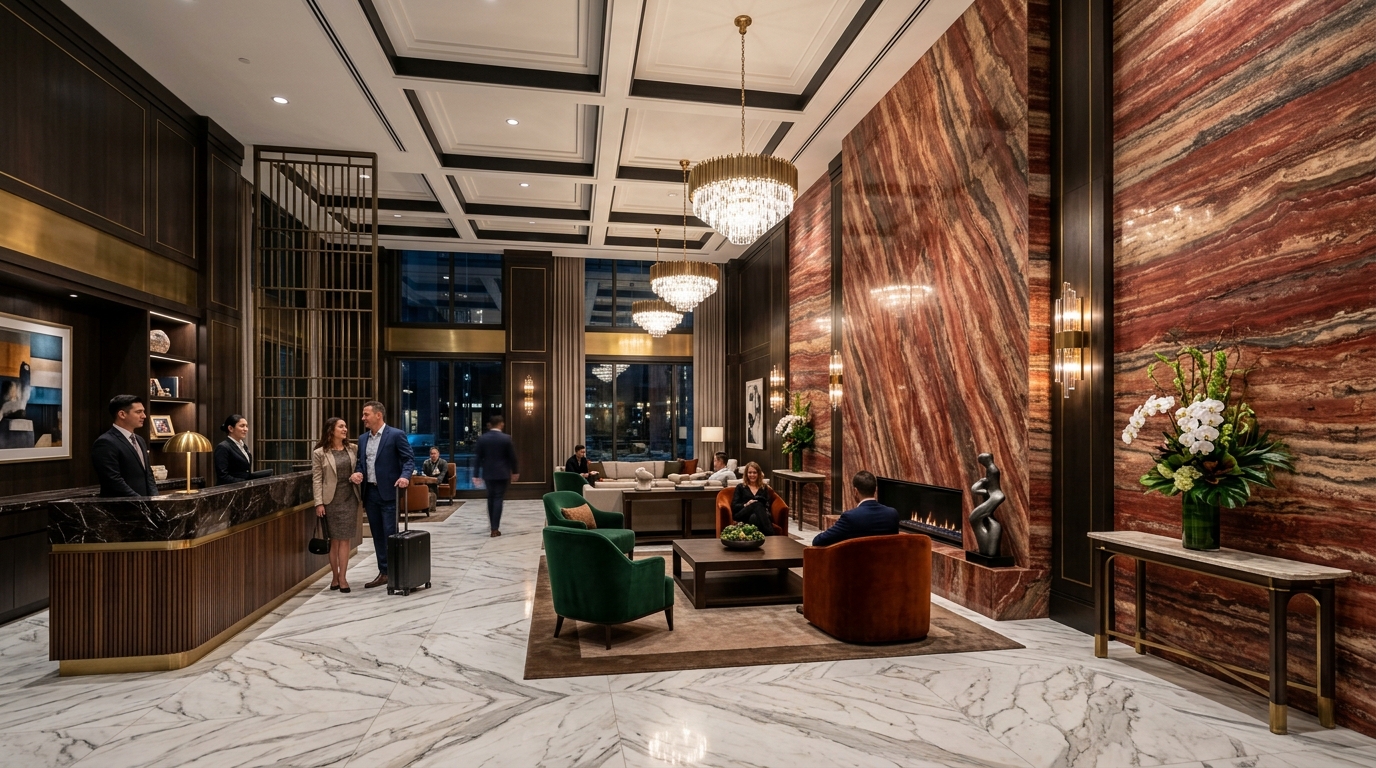
Acoustic envelope design for luxury hotels and conference centers: sound transmission loss, noise reduction coefficients (NRC), mass-air-mass resonance damping, and STC 55+ wall assemblies.
Specification guide for high-performance masonry adhesives: contrasting standard latex-Portland mortars (ANSI A118.4) with improved modified dry-set mortars (ANSI A118.15) for high-load facades.
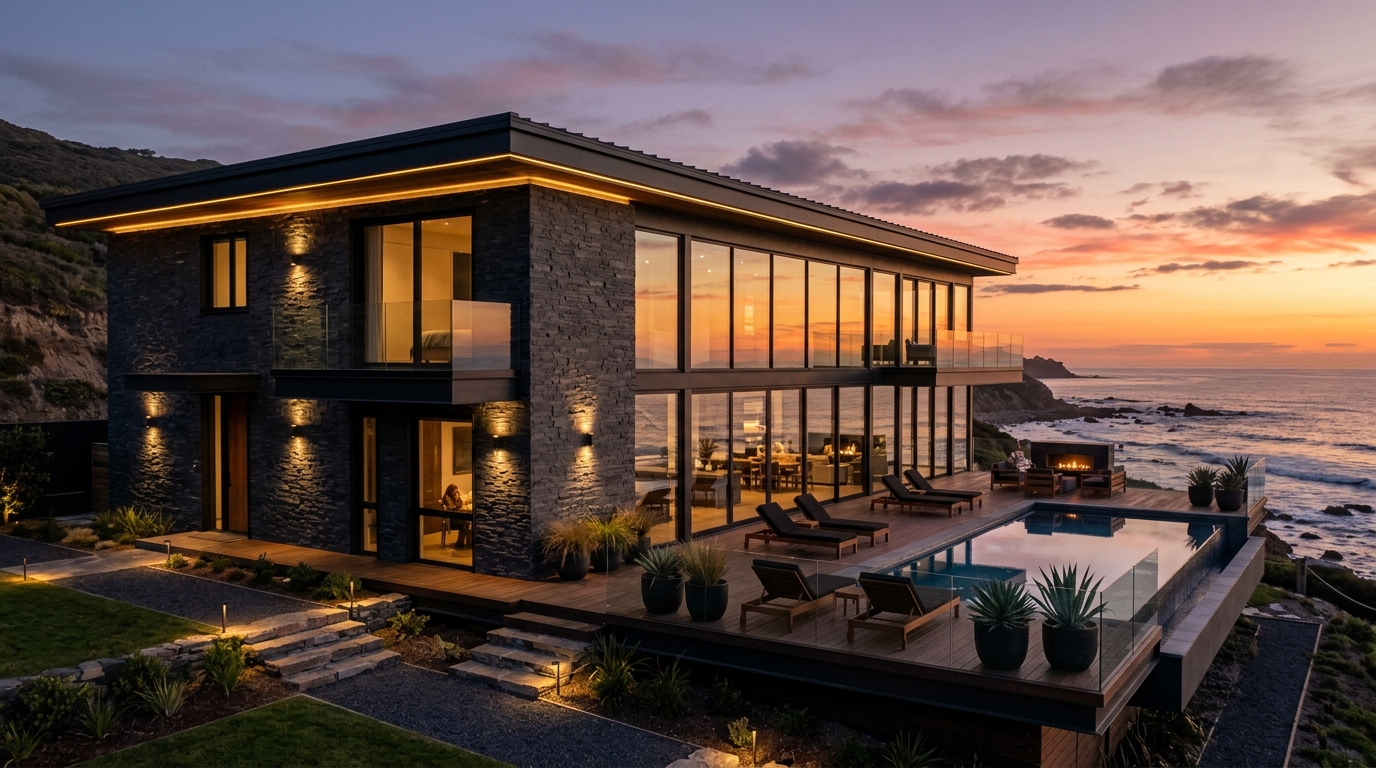
Illuminating dimensional stone facades: optical beam angles, wall grazing vs. wall washing, optical standoff distances, color temperature (2700K vs. 4000K), and relief shadow dynamics.
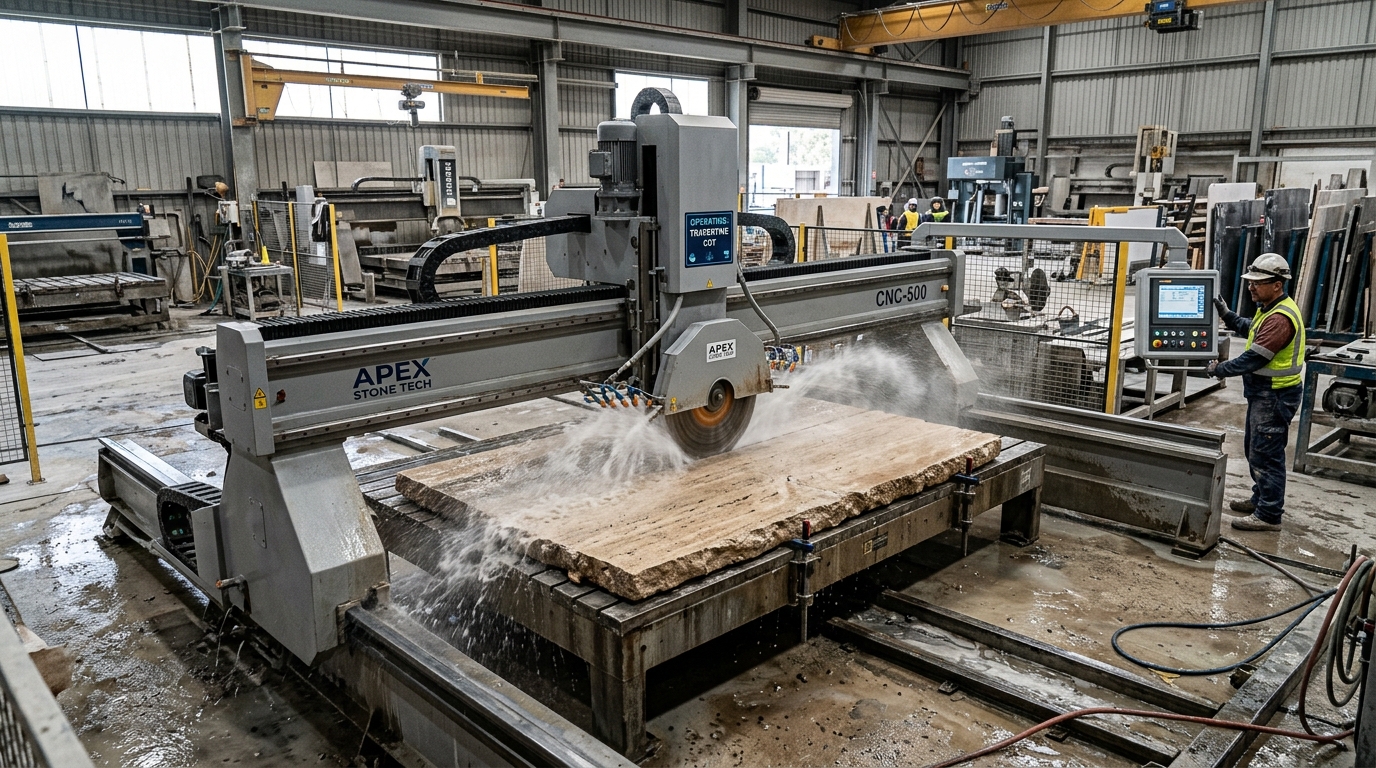
Industry 4.0 in architectural stone processing: multi-spectral computer vision, spectrophotometric ΔE color matching, 3D laser thickness profiling, and automated robotic sorting in Shuitou.
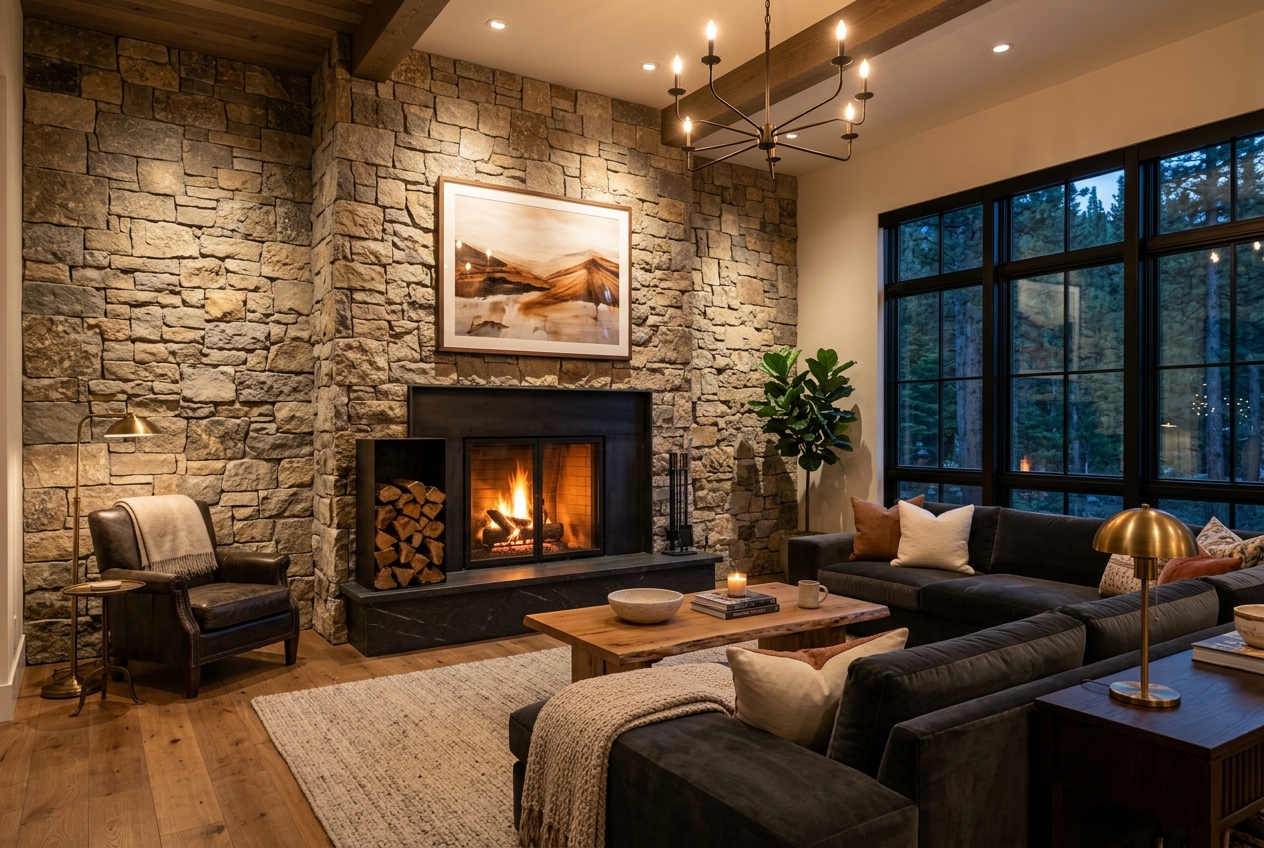
Preventing capillary moisture wicking and foundation water leaks: International Residential Code (IRC R703.7.2.1) clearances, dual-plane flashing, weep screeds, and below-grade transitions.
Evidence-based healthcare architecture: utilizing organic geological textures, natural fractal patterns, and earthy tactile surfaces to lower patient cortisol levels and accelerate clinical healing.
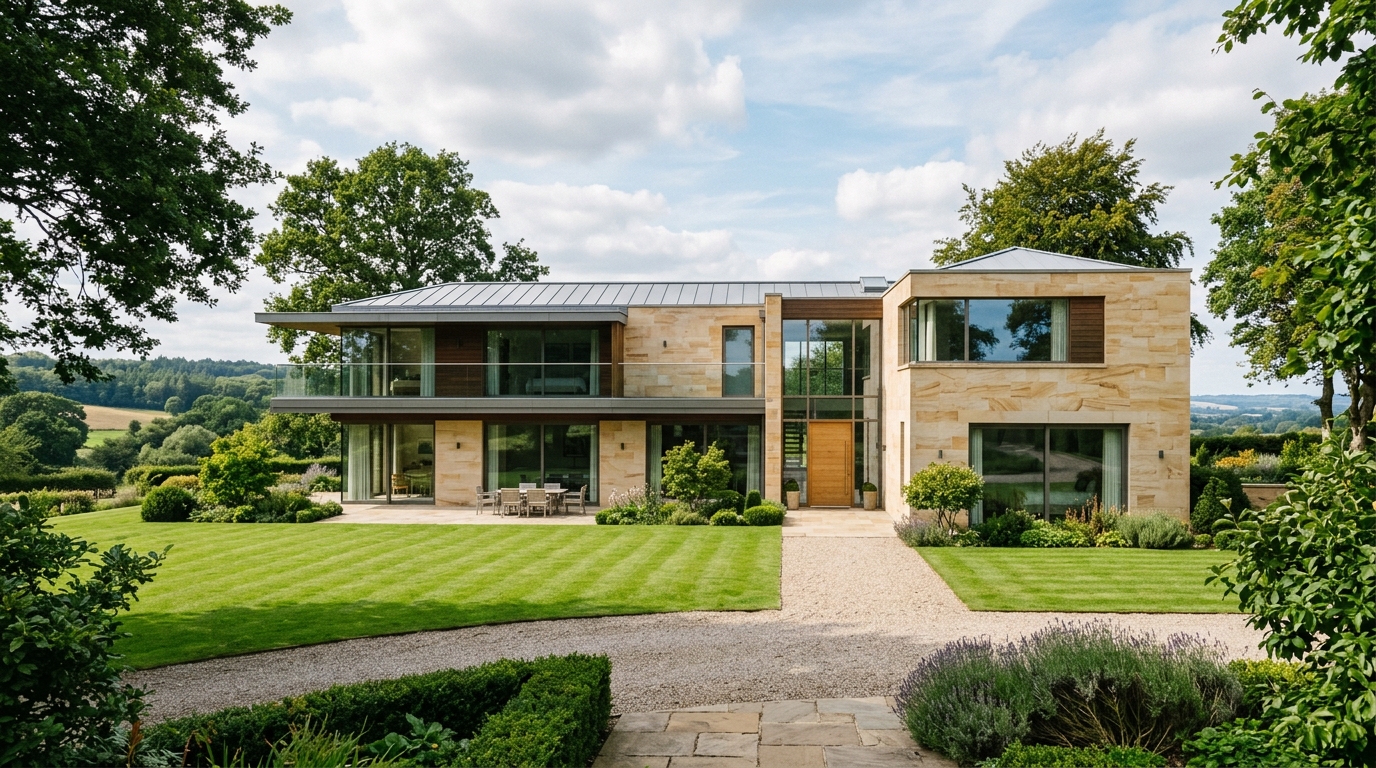
Heritage building envelope rehabilitation: vapor permeability compatibility, natural hydraulic lime (NHL) mortars, efflorescence neutralization, and non-destructive thin stone veneer retrofitting.
High-altitude exterior cladding engineering: negative wind vortex suction pressures (ASCE 7-22), mechanical anchor-assisted adhered systems, stainless undercut anchors, and hybrid epoxy bonds.
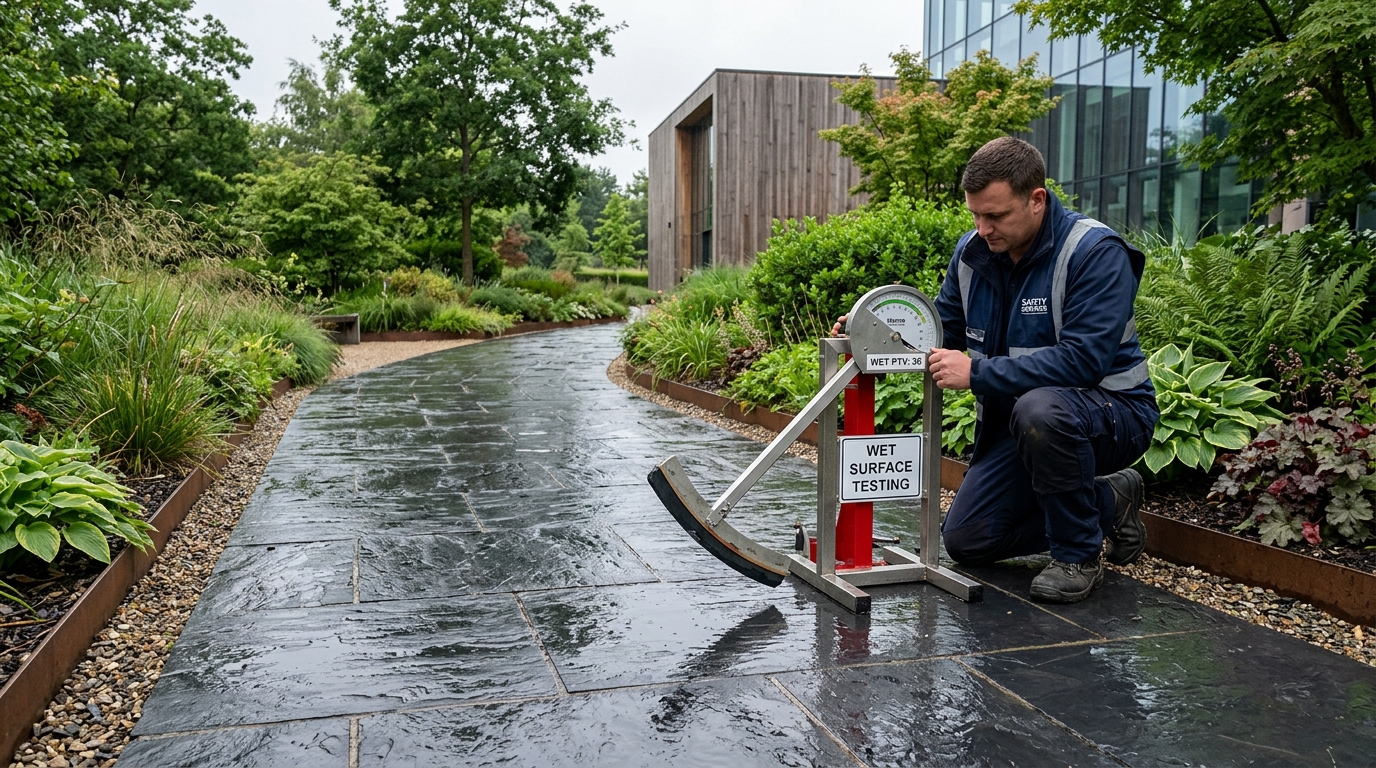
Specifying safe wet-area stone surfaces per ANSI A326.3 and AS/NZS 4586: dynamic coefficient of friction (DCOF > 0.55), micro-texture tumbling, joint density, and breathable oleophobic sealers.
Passive solar engineering in arid and tropical zones: utilizing dimensional stone thermal mass, volumetric specific heat capacity, solar reflectance index (SRI), and night-purging thermal lag.
International ocean freight logistics engineering: ISPM-15 fumigated solid timber crates, high-density EPE corner cushions, vacuum moisture desiccant packs, and 28-ton container payload balancing.

Next-generation material horizons in masonry: 2.0 mm ultra-flexible continuous quartzite veneers, fiberglass-reinforced backing, curved column wrapping, and carbon-negative geopolymer binders.