
MCM Flexible Mineral Panels (Modified Clay)
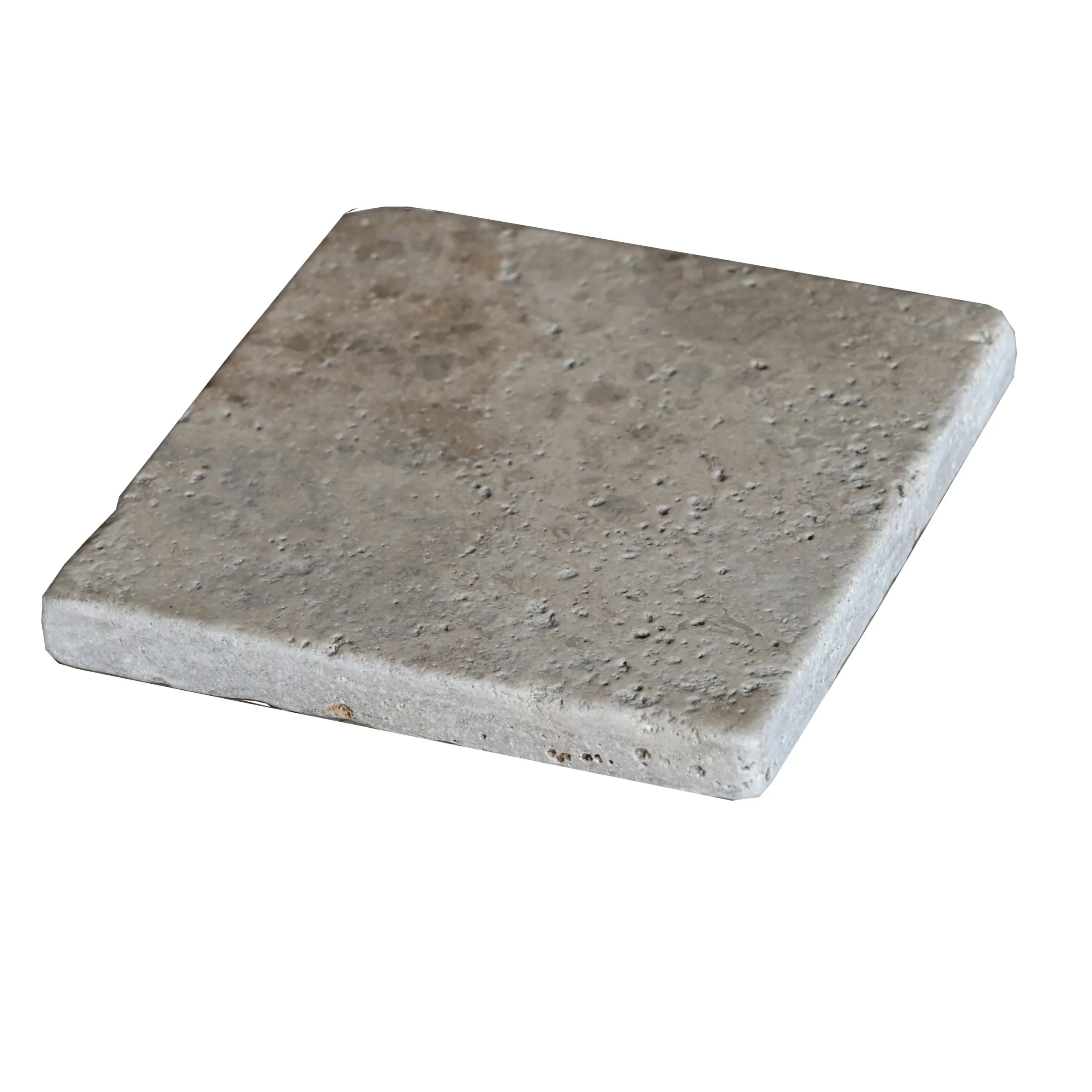
Manufacturer of MCM (Modified Clay Material) flexible architectural wall panels. Class A fireproof, breathable, zero-VOC, ultra-lightweight (3.5-4.
“MCM (Modified Clay Material) flexible mineral wall panels are eco-innovative lightweight architectural claddings synthesized from modified inorganic clay, stone quartz powder, and high-performance cross-linked polymers, delivering fireproof Class A, breathable, zero-VOC, ultra-light (3.5–4.5 kg/m²) surfacing for large-scale high-rise commercial exterior facades and prefabricated green buildings.”
Product Collection & Technical Specifications
Select a facet filter below to view specialized architectural rock formations.


Substrate Compatibility & Adhesive Selection Matrix
Engineering guidelines for thin-bed installation across diverse building substrates under ASTM C1583 tensile bond test standards.
| Target Substrate | Preparation & Primer | Recommended Adhesive System | Tested Pull-Off Strength | Engineering Notes |
|---|---|---|---|---|
| Cast Concrete & Masonry | Moisture content < 4%, mechanically grind surface laitance | C2TES1 Polymer-Modified Tile Mortar | ≥ 1.85 MPa (Substrate Failure) | Allow 28-day concrete curing prior to cladding. |
| Fiber Cement Board (FCB) | Acrylic bonding primer (1 coat) | High-Elastic PU Adhesive or C2TES1 | ≥ 1.65 MPa | Fasten FCB at 200mm centers with corrosion-resistant screws. |
| Old Ceramic Tile / Mosaic Overlay | High-pressure wash, 2-part epoxy bonding primer | EN 12004 C2TES1 High-Strength Polymer Mortar | ≥ 1.50 MPa | Direct overlay without demolition. Zero silica dust, 70% faster. |
| Drywall & MDF Interior Panels | Standard interior PVA or acrylic primer | Hybrid Polymer / 1-Component MS Adhesive | ≥ 1.40 MPa (Drywall Paper Failure) | Interior dry areas only. Instant initial tack required. |
Frequently Asked Technical & Engineering Questions
Authoritative answers for facade specifiers, structural consultants, and building material importers.
Q: What is the engineering difference between MCM and Fiberglass Natural Stone Veneer?
Natural Flexible Stone Veneer has a 100% quarried real mineral split face (1.0-1.5mm) cleaved from natural slate or quartzite formations, delivering infinite non-repeating natural mineral cleavage, Class A1 fire resistance, and translucent options. MCM (Modified Clay Material) is a composite engineered from inorganic clay, stone powder, and cross-linked polymers manufactured via roller-press molds. MCM offers Class A fire resistance and extreme flexibility at 3.5-4.5 kg/m2 for mass exterior commercial facades.
Q: Can MCM panels withstand high-rise wind loads on exterior facades?
Yes. When installed using EN 12004 C2TES1 polymer-modified mortar with full trowel coverage, the tensile adhesion pull-off strength exceeds 1.2-1.5 MPa (with failure occurring within the concrete substrate rather than the bond line). Combined with negligible dead weight (approx. 4 kg/m2), MCM completely eliminates wind-suction delamination risks common to heavy stone tiles on high-rise structures.
Q: How does MCM contribute to LEED v4.1 green building credits?
MCM panels contribute directly to LEED v4.1 credits in Materials & Resources (MR) through low embodied energy (cured at low temperature <120°C vs kiln-fired ceramics at 1200°C), zero VOC emissions (Indoor Environmental Quality EQ), and 100% recyclability into inorganic raw filler at end-of-life.
Q: What is the service life and UV weather resistance of MCM panels?
Accelerated weathering tests under ASTM G154 (QUV 3000 hours continuous UV exposure and moisture condensation) demonstrate color change Delta E* < 1.0, with no cracking, chalking, or blistering. MCM facade systems are engineered for a minimum 25-year exterior service lifespan under extreme sun, rain, and thermal swings.