
Ultra-Thin Flexible Stone Veneer (1.5–2.0mm)
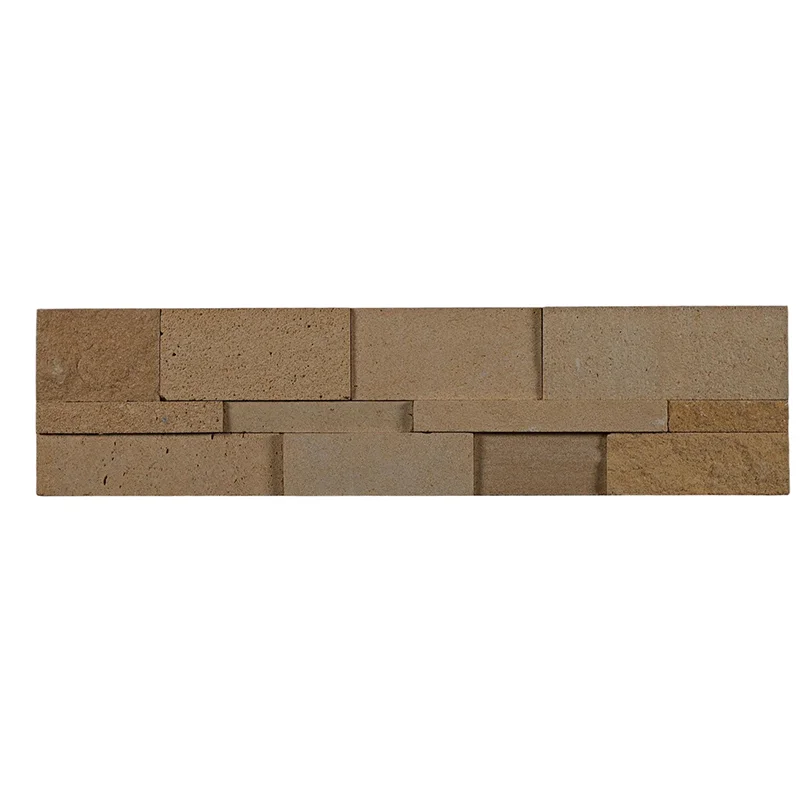
Fujian Tianya Cultural Stone manufactures 100% natural ultra-thin flexible stone veneer (1.5-2.0mm, 1.5 kg/m²) permanently bonded to a fiberglass matrix.
“Ultra-thin flexible stone veneer is an architectural surfacing composite featuring a 100% natural quarried slate or quartzite split-face (1.0–1.5 mm) permanently bonded to a polymer-fiberglass reinforcement substrate, engineered for curved architectural walls, columns, lightweight exterior facade retrofits, and high-end commercial interiors.”
Product Collection & Technical Specifications
Select a facet filter below to view specialized architectural rock formations.




Substrate Compatibility & Adhesive Selection Matrix
Engineering guidelines for thin-bed installation across diverse building substrates under ASTM C1583 tensile bond test standards.
| Target Substrate | Preparation & Primer | Recommended Adhesive System | Tested Pull-Off Strength | Engineering Notes |
|---|---|---|---|---|
| Cast Concrete & Masonry | Moisture content < 4%, mechanically grind surface laitance | C2TES1 Polymer-Modified Tile Mortar | ≥ 1.85 MPa (Substrate Failure) | Allow 28-day concrete curing prior to cladding. |
| Fiber Cement Board (FCB) | Acrylic bonding primer (1 coat) | High-Elastic PU Adhesive or C2TES1 | ≥ 1.65 MPa | Fasten FCB at 200mm centers with corrosion-resistant screws. |
| Old Ceramic Tile / Mosaic Overlay | High-pressure wash, 2-part epoxy bonding primer | EN 12004 C2TES1 High-Strength Polymer Mortar | ≥ 1.50 MPa | Direct overlay without demolition. Zero silica dust, 70% faster. |
| Drywall & MDF Interior Panels | Standard interior PVA or acrylic primer | Hybrid Polymer / 1-Component MS Adhesive | ≥ 1.40 MPa (Drywall Paper Failure) | Interior dry areas only. Instant initial tack required. |
Frequently Asked Technical & Engineering Questions
Authoritative answers for facade specifiers, structural consultants, and building material importers.
Q: Is ultra-thin flexible natural stone veneer suitable for extreme cold climates?
Yes. Laboratory tested under ASTM C666 and EN 12371 across 100 consecutive freeze-thaw cycles, flexible stone veneer exhibits zero micro-cracking, delamination, or tensile bond degradation. Because capillary absorption is held strictly under 0.24%, pore ice-expansion stresses are eliminated. Exterior installation requires C2TES1 high-elastic polymer mortar or polyurethane structural adhesive with 4-6mm expansion joints spaced every 4-6 meters.
Q: Can flexible stone veneer be installed directly over existing exterior tiles without demolition?
Yes. Weighing only 1.4 to 1.6 kg/m2—less than 3% of traditional 20mm granite—it imposes negligible dead load on existing walls. Substrate preparation requires degreasing, high-pressure washing, applying a two-component epoxy or polymer-modified acrylic primer, followed by EN 12004 C2TES1 high-strength flexible tile adhesive achieving tensile bond pull-off strength >= 1.5 MPa.
Q: How tight of a curve or column can flexible stone veneer wrap?
At room temperature (20-25°C), the minimum bending radius is R >= 300 mm. For tighter radii such as R = 50 mm or 90-degree corner wraps, heating the fiberglass polyester backing with an industrial heat gun (60-80°C) softens the polymer matrix, allowing seamless contouring without surface stone fractures.
Q: How does 20GP container shipping capacity compare to traditional stone?
A standard 20GP container accommodates 18 wooden crates containing approx. 4,000 m2 of standard flexible stone veneer (total weight ~6,400 kg). In contrast, traditional 20mm granite slabs max out container road weight limits at approx. 400 m2. Flexible stone veneer delivers 10x higher surface area per ocean container, reducing freight cost per m2 by over 82%.