
Translucent Backlit Natural Stone Veneer
Factory-direct translucent natural stone veneer sheets with optical-grade transparent polyester backing. Allows 15-35% light transmittance for illuminated.
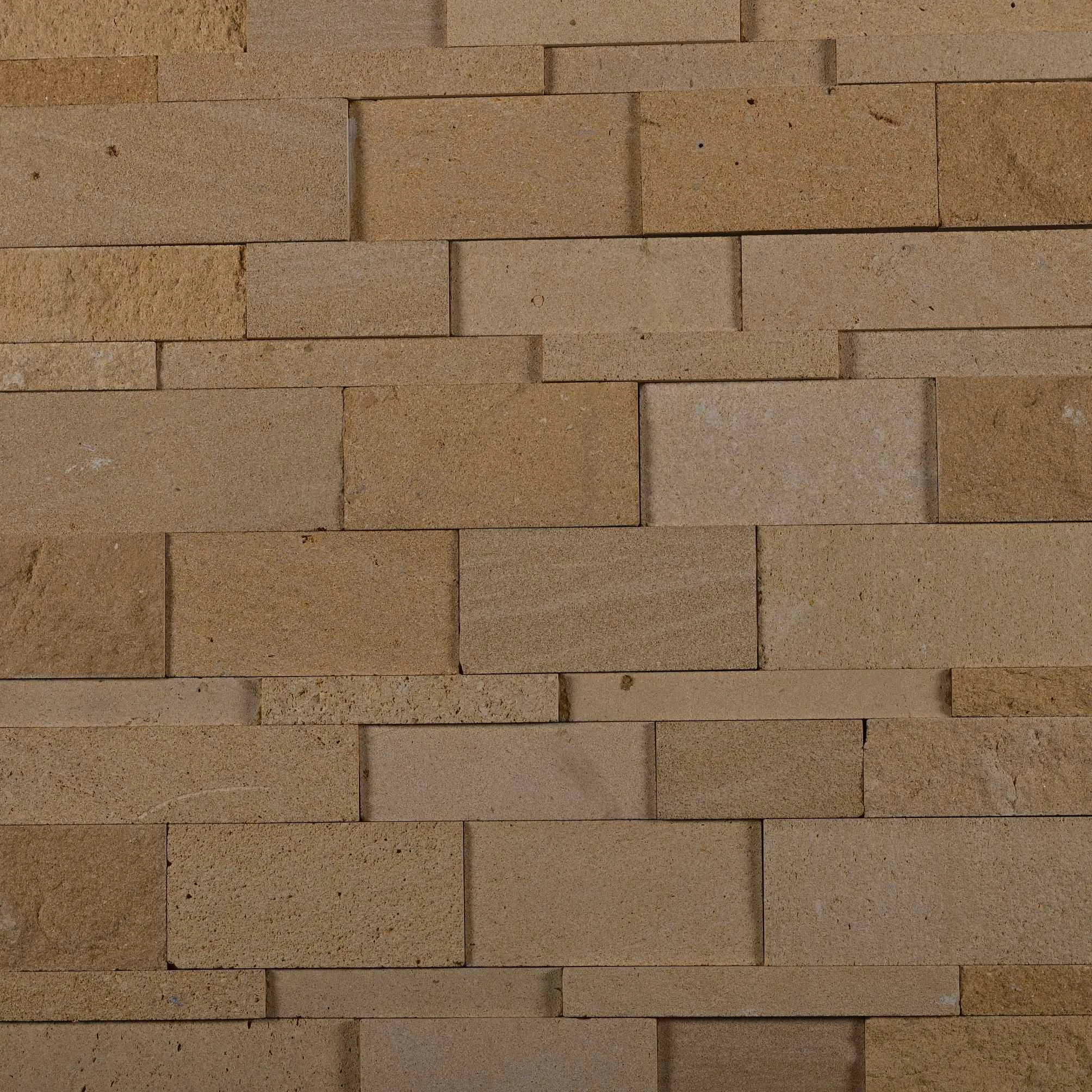
“Translucent natural stone veneer is an engineered thin architectural panel combining a genuine quarried natural slate or quartzite split face (1.0–2.0 mm) with an optical-grade transparent polyester resin and clear fiberglass backing, designed to transmit controlled ambient or LED backlighting for illuminated hospitality bars, reception counters, backlit ceilings, and high-impact feature walls.”
Product Collection & Technical Specifications
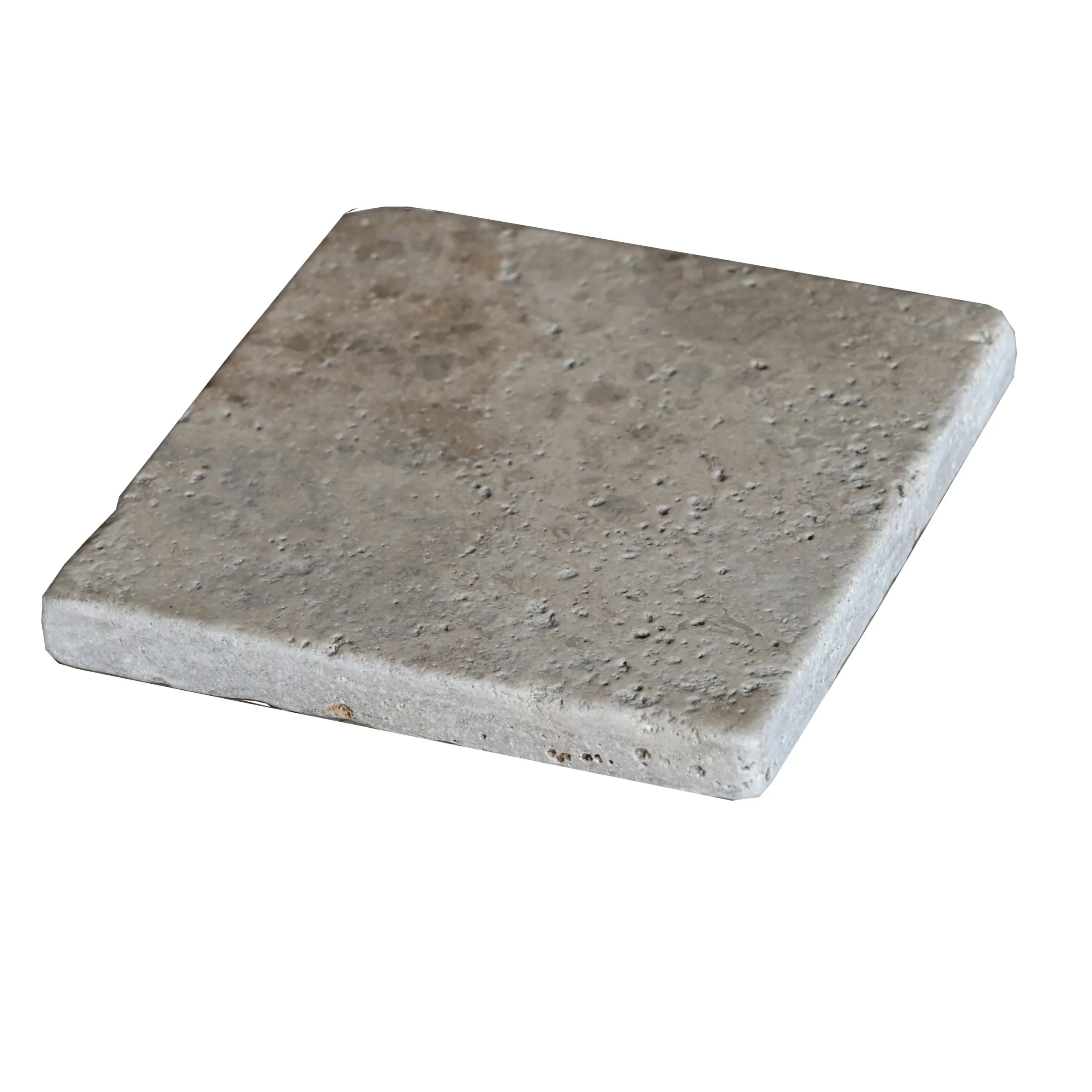
Select a facet filter below to view specialized architectural rock formations.




Substrate Compatibility & Adhesive Selection Matrix
Engineering guidelines for thin-bed installation across diverse building substrates under ASTM C1583 tensile bond test standards.
| Target Substrate | Preparation & Primer | Recommended Adhesive System | Tested Pull-Off Strength | Engineering Notes |
|---|---|---|---|---|
| Cast Concrete & Masonry | Moisture content < 4%, mechanically grind surface laitance | C2TES1 Polymer-Modified Tile Mortar | ≥ 1.85 MPa (Substrate Failure) | Allow 28-day concrete curing prior to cladding. |
| Fiber Cement Board (FCB) | Acrylic bonding primer (1 coat) | High-Elastic PU Adhesive or C2TES1 | ≥ 1.65 MPa | Fasten FCB at 200mm centers with corrosion-resistant screws. |
| Old Ceramic Tile / Mosaic Overlay | High-pressure wash, 2-part epoxy bonding primer | EN 12004 C2TES1 High-Strength Polymer Mortar | ≥ 1.50 MPa | Direct overlay without demolition. Zero silica dust, 70% faster. |
| Drywall & MDF Interior Panels | Standard interior PVA or acrylic primer | Hybrid Polymer / 1-Component MS Adhesive | ≥ 1.40 MPa (Drywall Paper Failure) | Interior dry areas only. Instant initial tack required. |
Frequently Asked Technical & Engineering Questions
Authoritative answers for facade specifiers, structural consultants, and building material importers.
Q: What type of lighting source is recommended behind translucent stone veneer?
We strongly recommend high-efficiency LED light sheets, edge-lit acrylic light guide plates (LGP), or high-density LED ribbon strips (min 120 LEDs/meter). For premium hospitality applications, choose high CRI (Ra >= 90) diodes with color temperatures between 2700K and 4000K to accentuate the authentic geological layers.
Q: How do you prevent hot spots and zebra lines behind translucent stone?
Hot spots are eliminated by maintaining an optical cavity depth ratio where distance (D) to LED pitch (P) satisfies D : P >= 1.2 : 1, typically requiring a minimum 50mm cavity depth. Placing a 2-3mm opal white acrylic diffuser panel between the LEDs and the stone veneer ensures perfectly homogeneous light distribution.
Q: How is translucent stone veneer adhered without blocking the light transmission?
For backlit installations, perimeter mechanical clamping using slim aluminum architectural extrusions is the preferred method. When adhesive bonding is necessary across the face, use 100% optically clear, non-yellowing transparent neutral silicone or crystal-clear MS polymer applied with a full notched trowel spread to avoid visible adhesive lines.
Q: Can translucent stone veneer be dimmed or paired with dynamic RGB/RGBW lighting?
Yes. Translucent stone reacts spectacularly to dynamic DALI or DMX dimming and tunable white (2700K–6500K) controls. As the color temperature shifts from warm amber to cool daylight, different mineral veins within the natural slate and quartzite ignite with distinct visual depth.