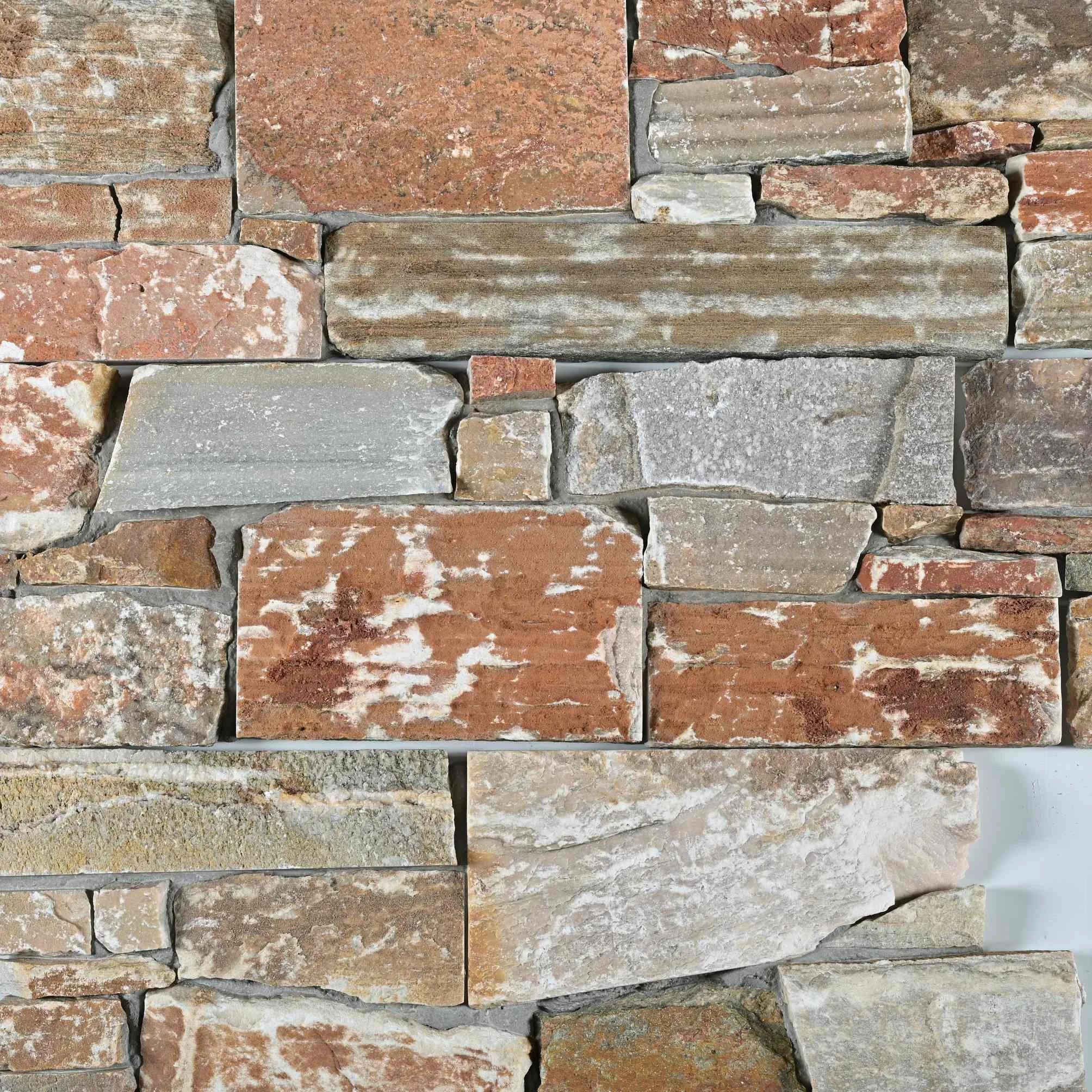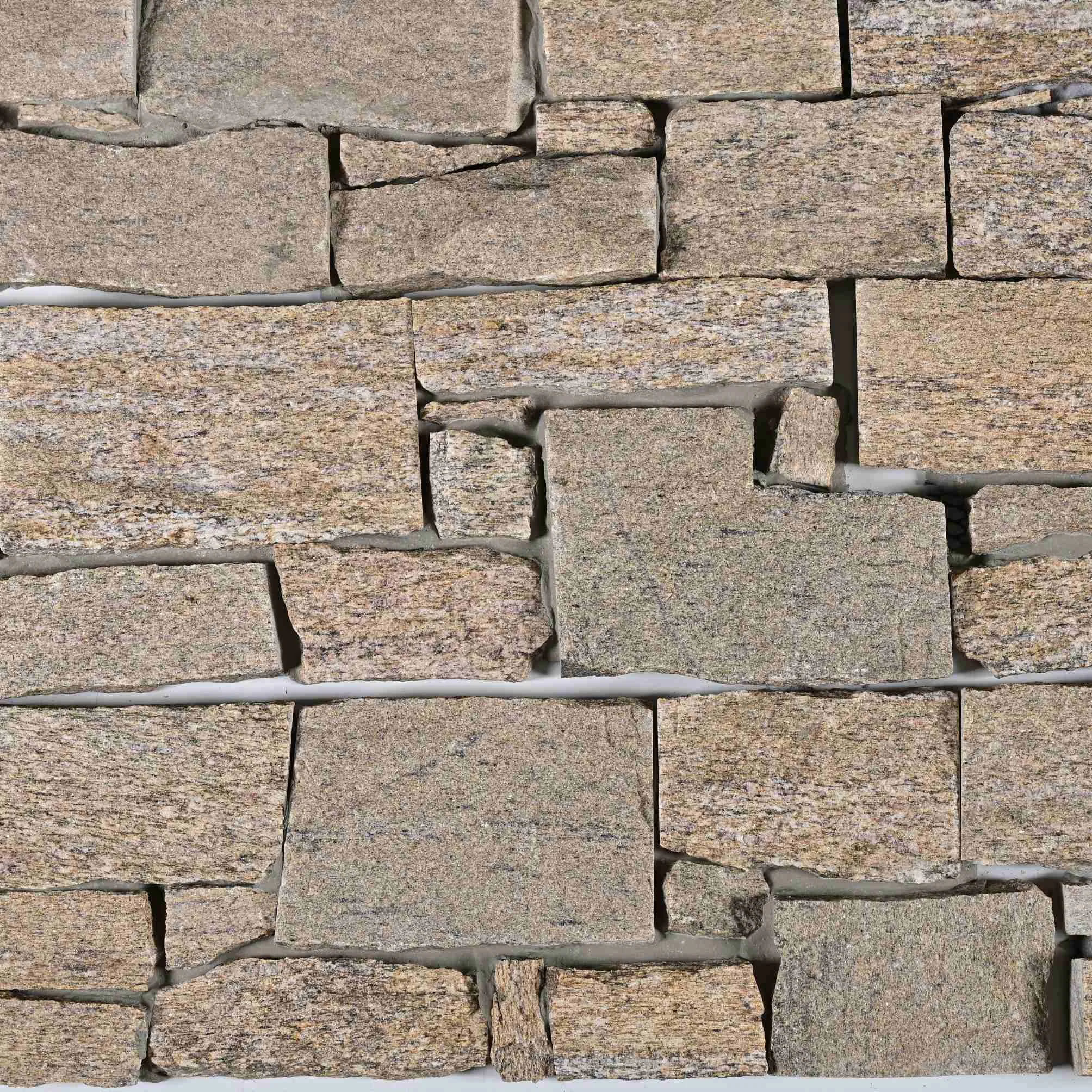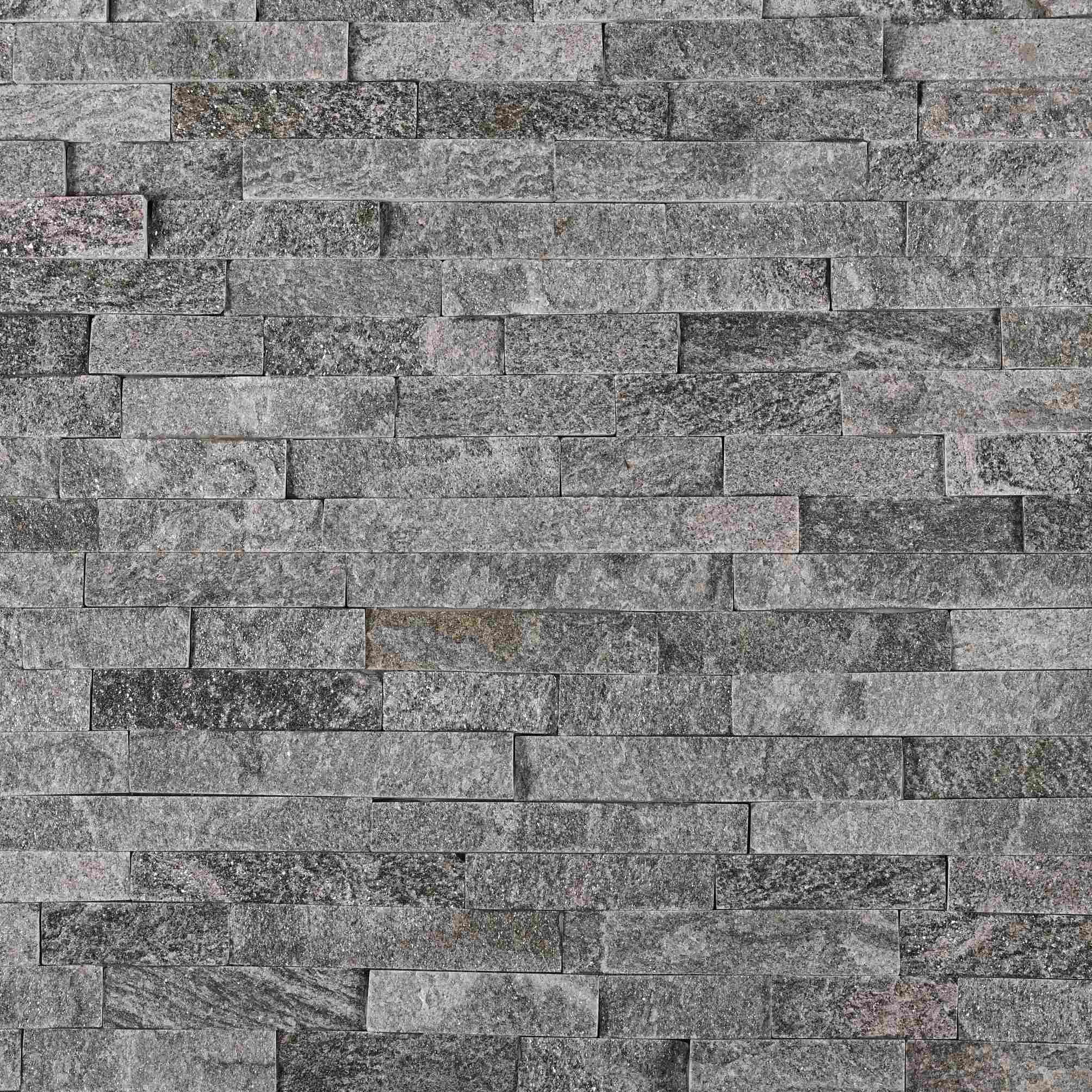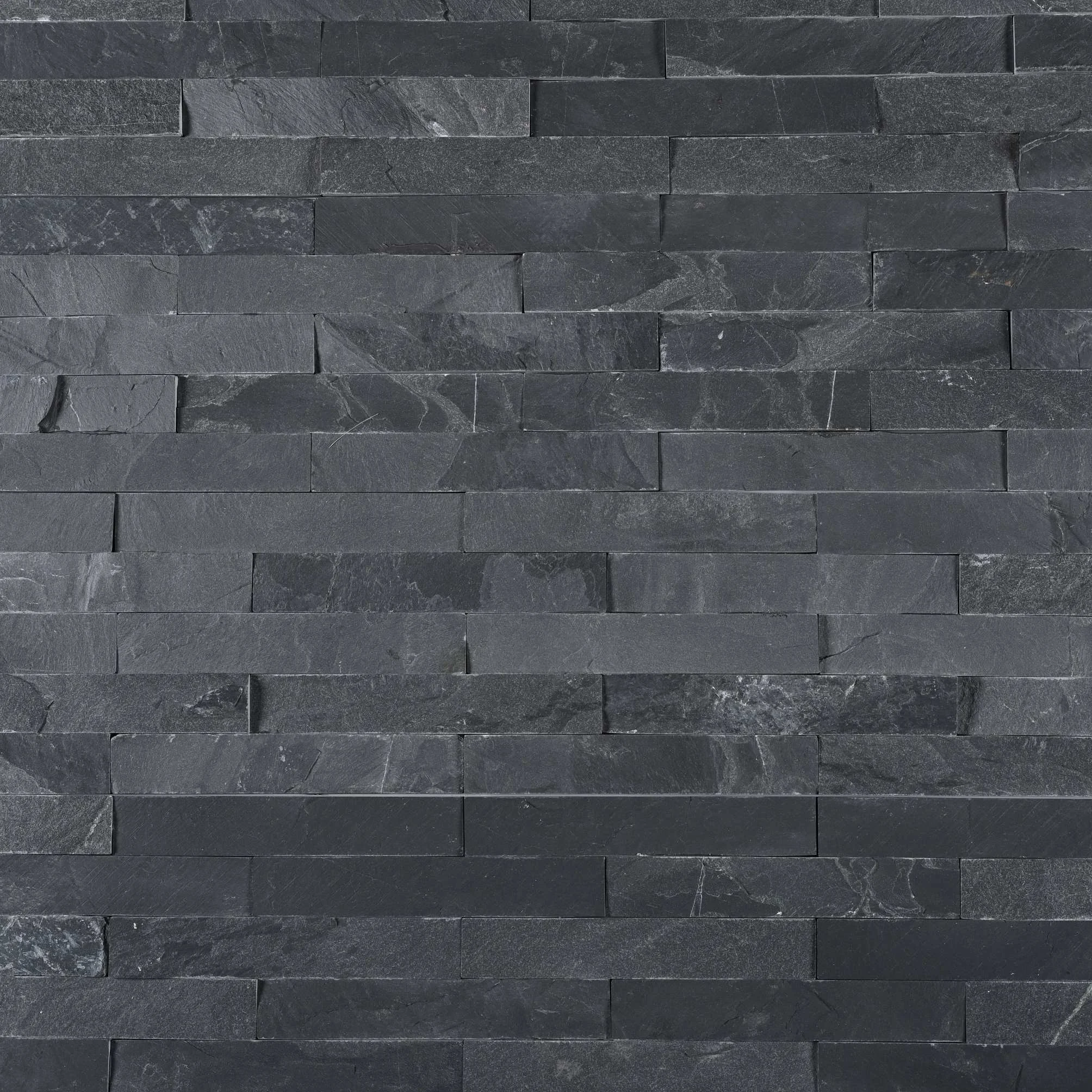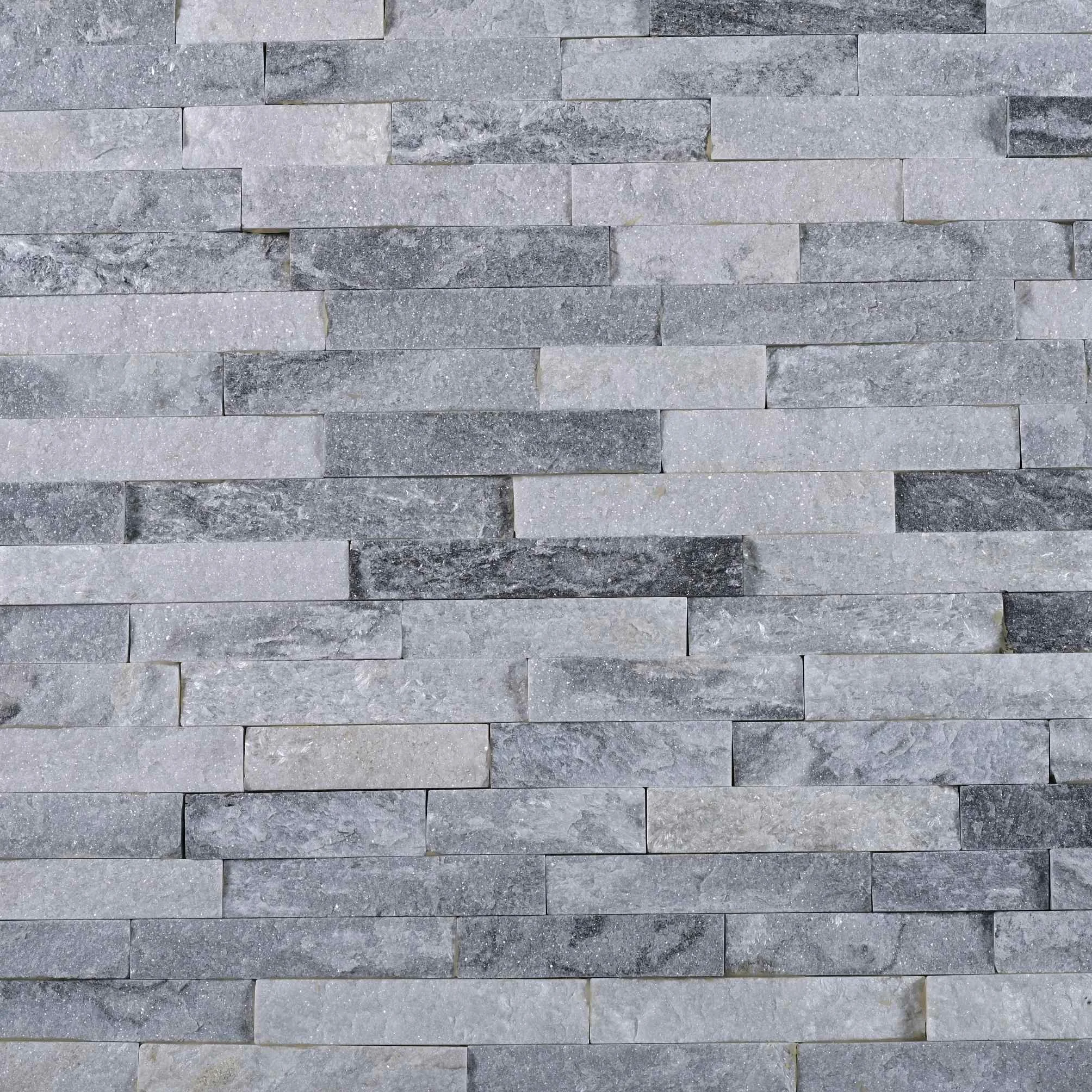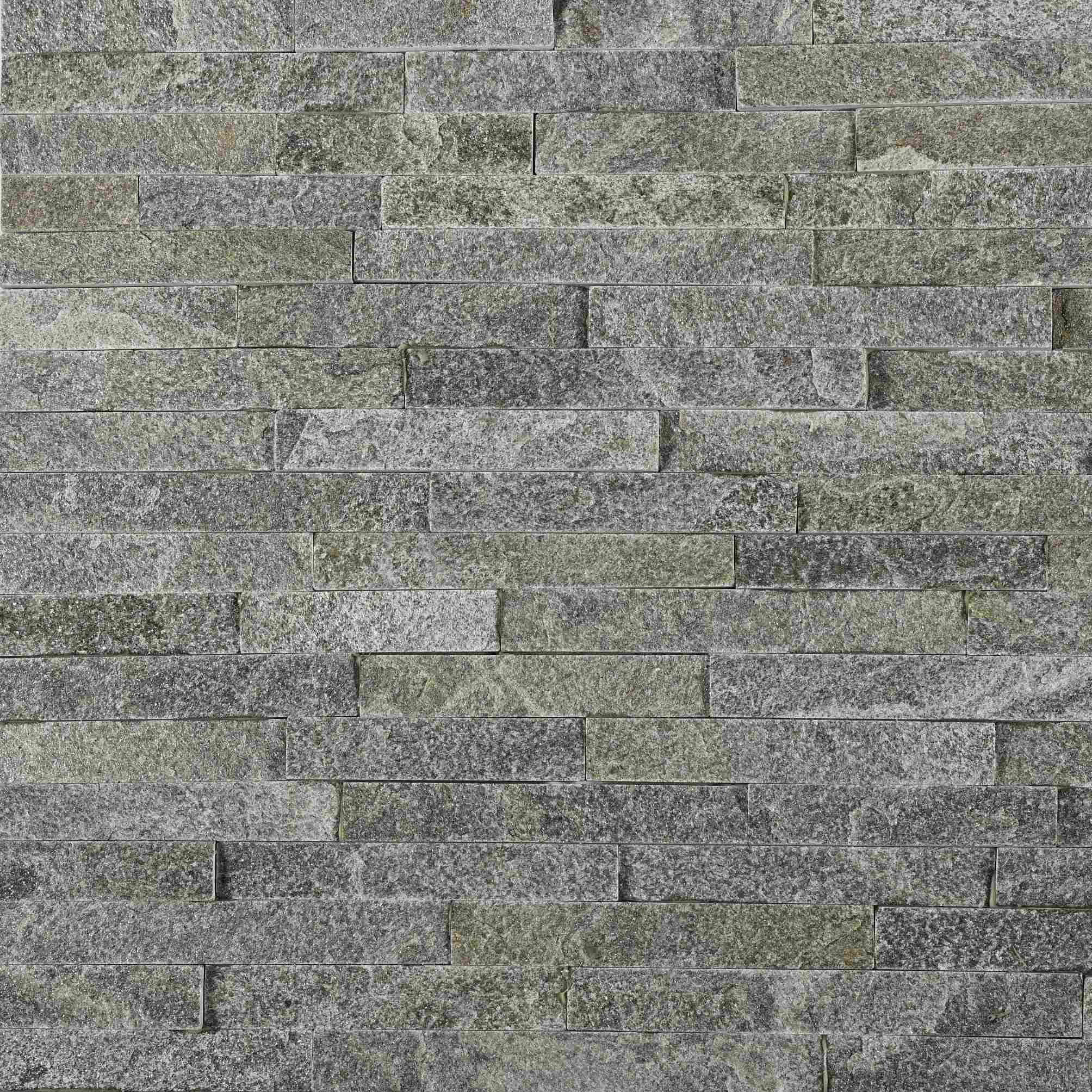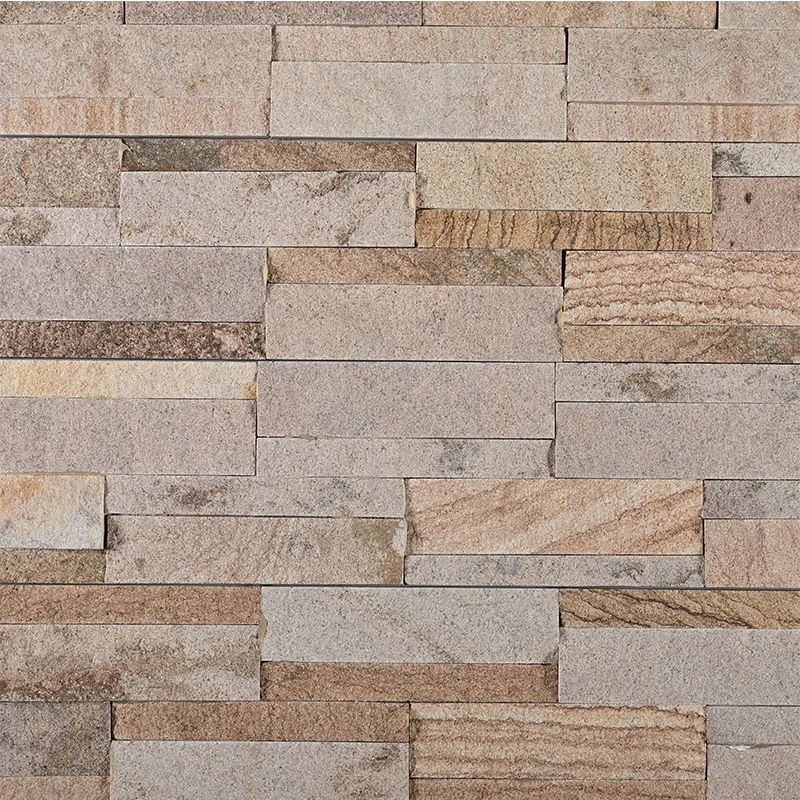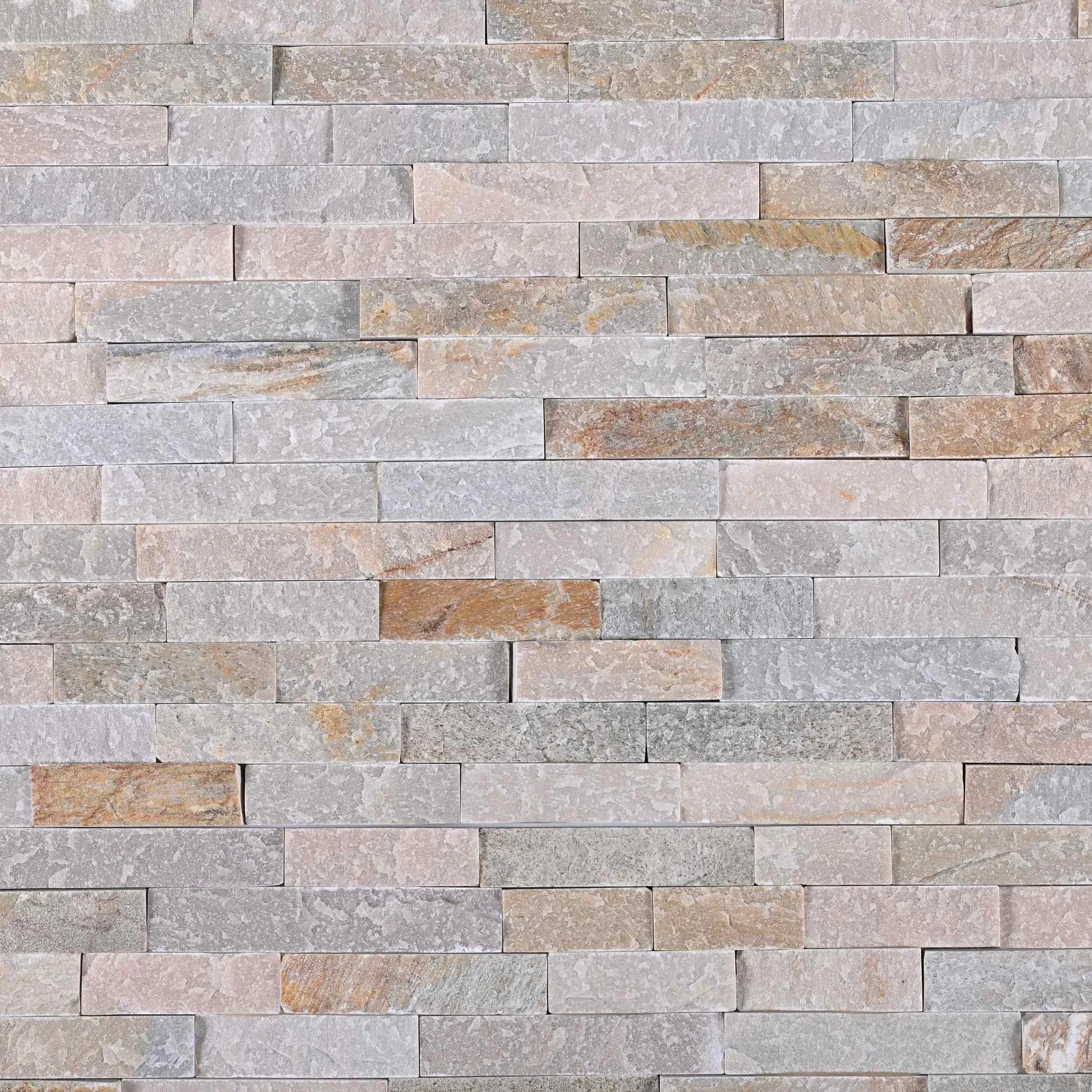
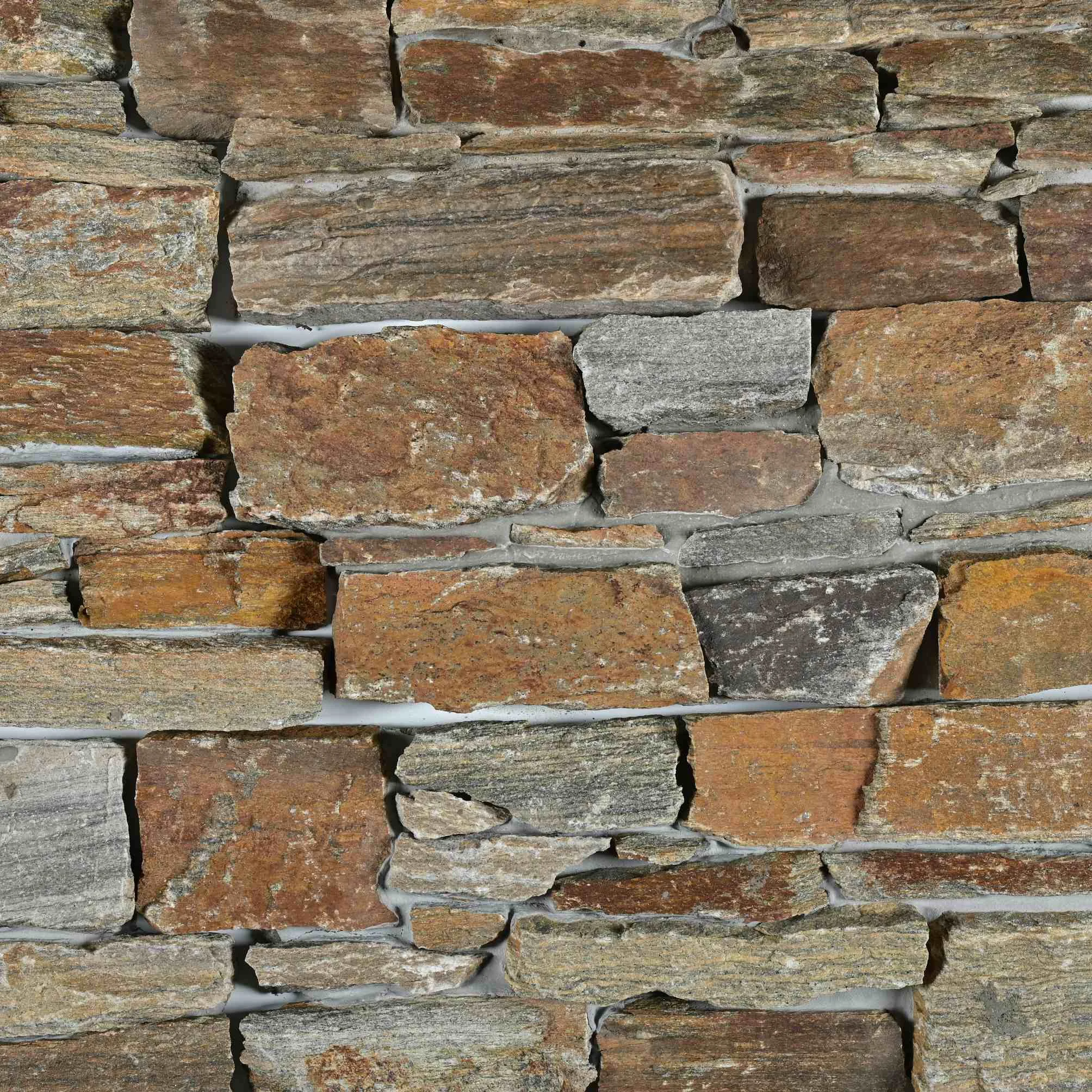
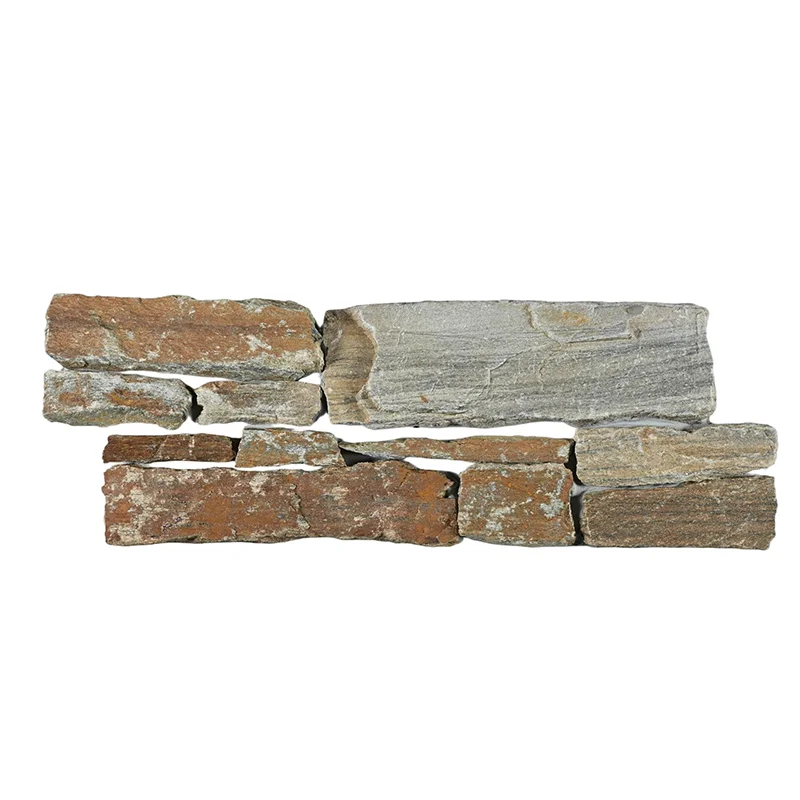
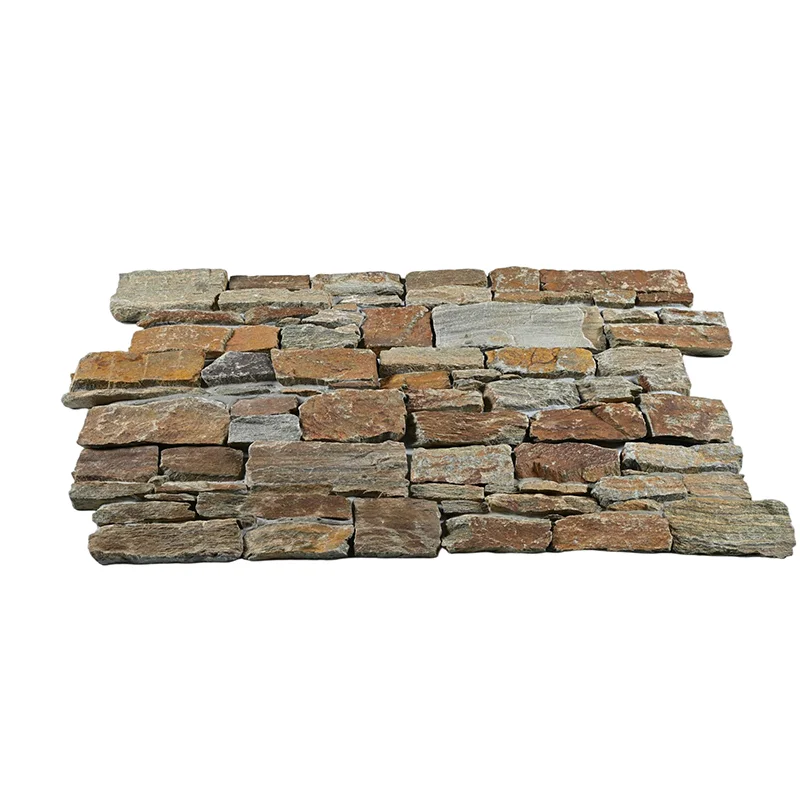
Rusty Slate Stone Veneer with Natural Split Surface combines the distinctive beauty of natural slate with an authentic split-face finish. The natural splitting process follows the stone's inherent layers, preserving its rugged texture and creating a visually rich surface with natural variations in color, depth, and pattern.
The stone features a warm and distinctive palette of rusty brown, copper, reddish-brown, gray, charcoal, and earthy tones. These naturally occurring color variations create a dynamic appearance across the stone surface. Depending on lighting and viewing angle, different shades may become more prominent, giving the finished wall additional depth and character.
The natural split surface highlights the layered structure of slate and provides an irregular, tactile texture. The uneven surface catches light naturally, creating subtle highlights and shadows that enhance the three-dimensional appearance of the wall.
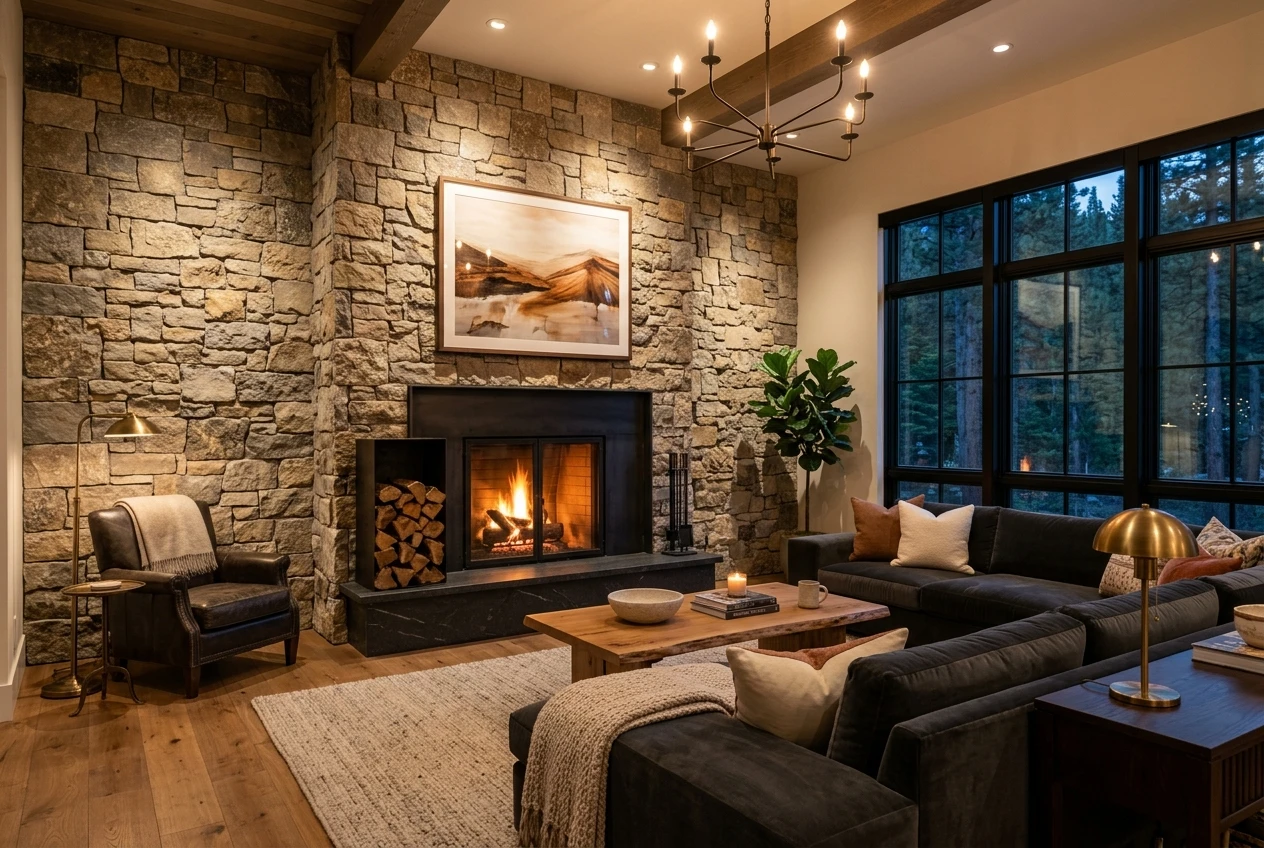
As a stone veneer product, Rusty Slate Stone Veneer is suitable for a wide range of architectural and decorative applications. It can be used for interior feature walls, fireplace surrounds, TV walls, entrance walls, exterior facades, garden walls, retaining walls, columns, outdoor fireplaces, patios, and landscape structures.
For interior applications, the warm rusty tones can add a cozy and natural atmosphere to living rooms, dining areas, hallways, fireplaces, reception areas, restaurants, and hospitality spaces. The earthy color palette pairs naturally with wood, leather, metal, concrete, and neutral-colored materials.
For exterior projects, the stone veneer can enhance building facades, garden walls, outdoor living areas, patios, terraces, and landscape structures. Its warm natural tones blend particularly well with greenery, timber, brick, and other natural materials.
The product complements a variety of architectural styles, including rustic, farmhouse, Mediterranean, traditional, industrial, contemporary, and natural-inspired designs. It can be installed across large wall surfaces or used selectively as an accent material around fireplaces, entrances, columns, and other architectural elements.