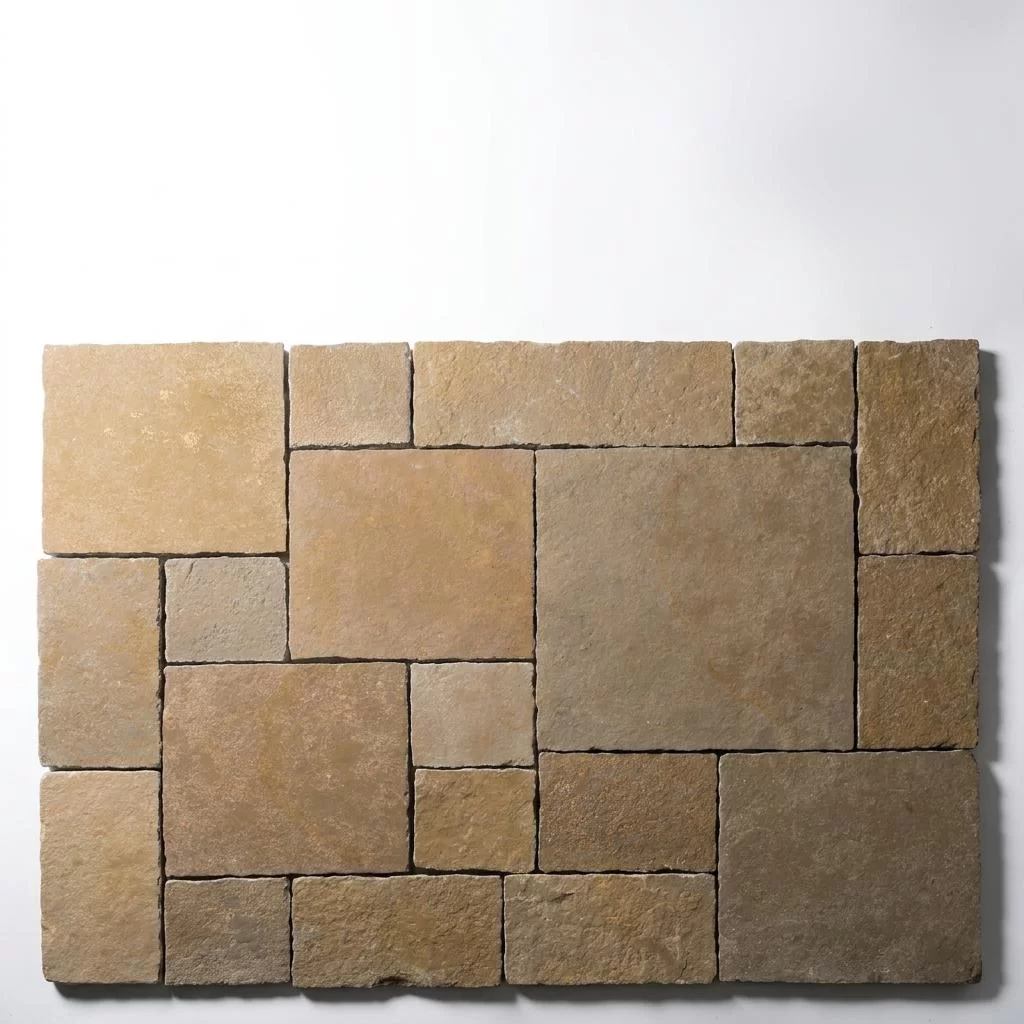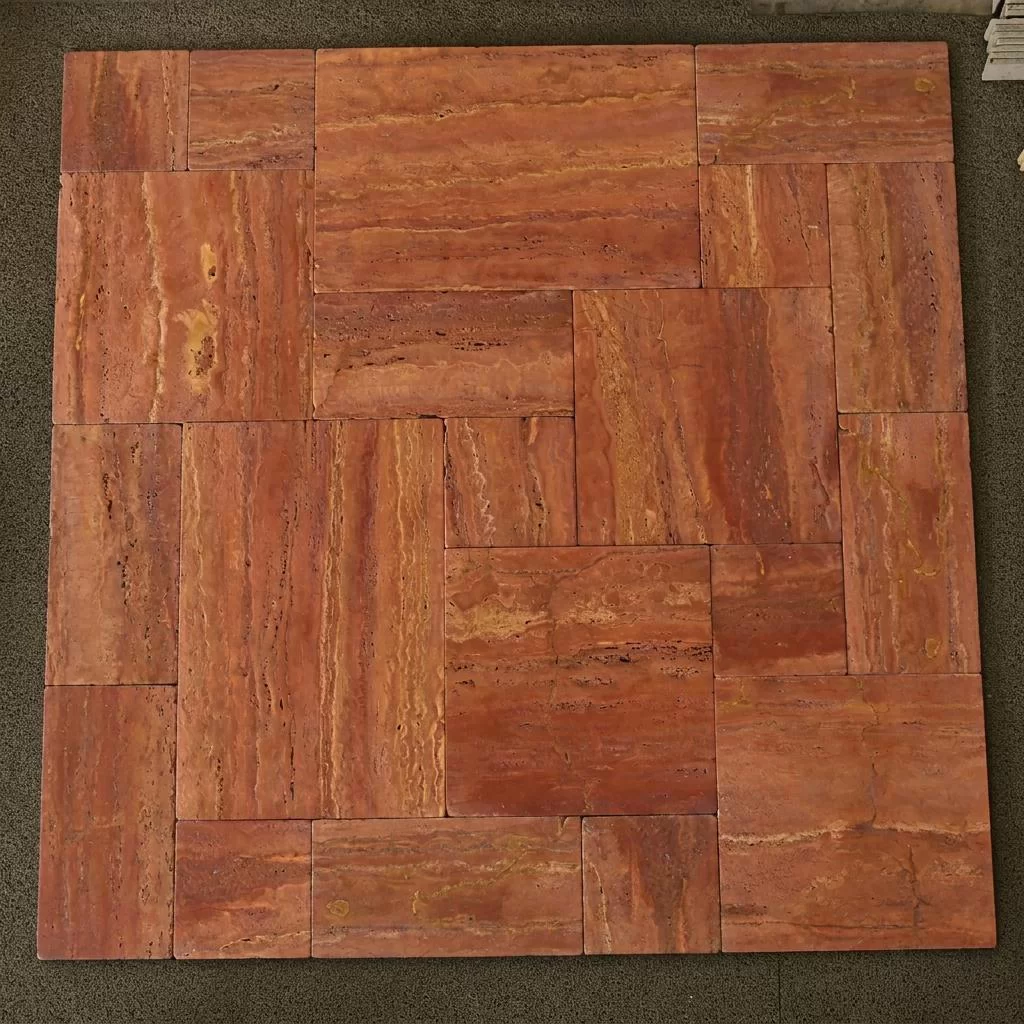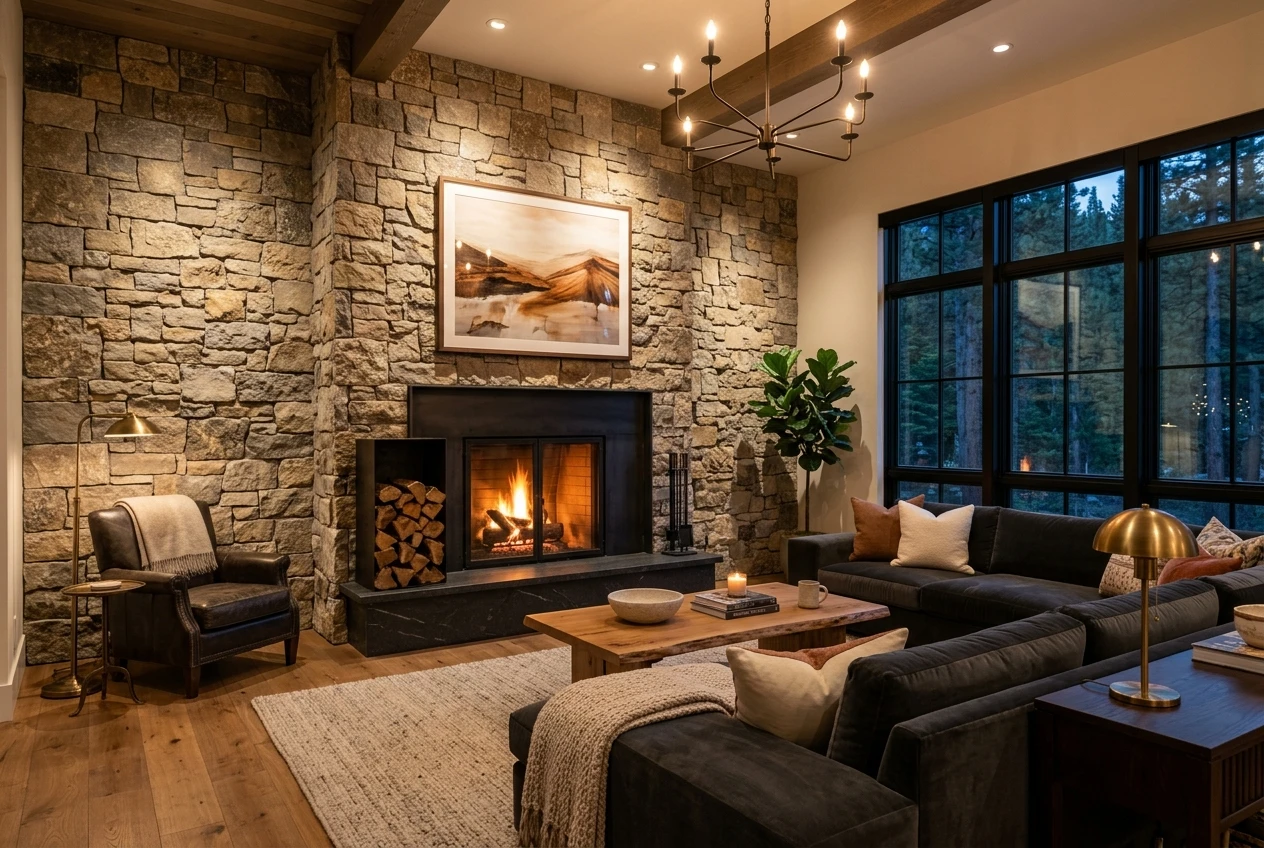
Natural sandstone is an iconic sedimentary rock composed predominantly of sand-sized silicate mineral grains (quartz and feldspar). In exterior cladding applications, the long-term durability of sandstone is governed not merely by its grain size, but by the cementing matrix binding the mineral clasts together: silica, calcium carbonate, or iron oxide.
Under ASTM C568 ("Standard Specification for Limestone Dimension Stone") and ASTM C616 ("Standard Specification for Quartz-Based Dimension Stone"), architectural sandstones are evaluated across three structural classifications (Low-Density, Medium-Density, and High-Density Sandstone). For exterior facade cladding, Tianya selects exclusively Class III High-Density quartz sandstones exhibiting minimum compressive strengths exceeding 8,000 psi (55 MPa) and bulk specific gravities above 2.40.
Unlike carbonate stones (such as limestone and marble) which dissolve readily when exposed to sulfurous and nitric acid rain, silica-cemented quartz sandstone is chemically inert to acid precipitation. The natural iron oxide mineral veining (hematite and goethite) within Tianya's TerraStone Sandstone imparts earthy, warm chromatic stability that resists intense ultraviolet photodegradation across decades of outdoor exposure.
Tianya pre-assembles natural sandstone strips into rigid, interlocking Z-shaped ledger panels backed with high-tensile fiberglass mesh and structural resin ribs. This precision panelization eliminates individual stone sorting on the jobsite, enabling masons to achieve monolithic wall planes with concealed joints at twice the speed of traditional rubble masonry.